Buy lasern.eu ?
We are moving the project
lasern.eu .
Are you interested in purchasing the domain
lasern.eu ?
domain@kv-gmbh.de · 0541-91531010
Buy lasern.eu ?
What is the deontological perspective?
The deontological perspective is an ethical theory that focuses on the inherent rightness or wrongness of actions themselves, rather than the consequences of those actions. It is based on the idea that certain actions are morally obligatory regardless of their outcomes. Deontologists believe that individuals have a duty to follow certain moral rules or principles, such as honesty or respecting others' autonomy, regardless of the potential benefits or harms that may result. This perspective is often associated with philosophers like Immanuel Kant, who argued that moral principles are universal and apply to all rational beings. **
What is meant by deontological and teleological?
Deontological ethics is an ethical theory that focuses on the inherent rightness or wrongness of actions themselves, rather than the consequences of those actions. It emphasizes the importance of following moral rules and duties, regardless of the outcomes. On the other hand, teleological ethics, also known as consequentialism, is an ethical theory that evaluates the morality of actions based on their outcomes or consequences. It emphasizes the idea that the rightness or wrongness of an action is determined by the overall good or bad results it produces. In summary, deontological ethics focuses on the inherent nature of actions, while teleological ethics focuses on the outcomes of actions. **


Similar search terms for Deontological
Top-Angebote
Products related to Deontological:
-
Inspire Daily Merch Ceramic Long Eared Rabbit Ornament, Creative Home Decoration, Living Room Bedroom Office Art, Light Luxury Aesthetics goldElegant Creative Design: Elevate your space with this Creative Ceramic LongEared Rabbit Ornament. Perfect for Living Room, Bedroom, or Office Decoration, it combines artistry and charm to enhance your home's aesthetic appeal. The delicate long ears...39,97 $*Shipping: 0,00 $Secure redirect to the provider
-
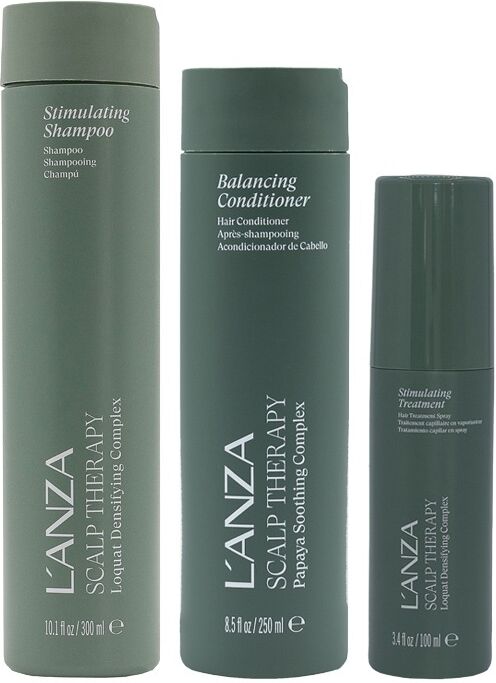
L'Anza Scalp Therapy Stimulating Shampoo - 300ml & Scalp Therapy BalanThe L'Anza Scalp Therapy Stimulating Shampoo is the perfect solution for Hair Thinning and Shedding. The L'Anza Scalp Therapy Balancing Conditioner has been formulated to relieve Scalp Dryness, Flakiness, Irritation and works to Soothe Scalp Discomfort. The L'Anza Scalp Therapy Stimulating Treatment is the perfect formula for Hair Thinning and Shedding. How does it work? It works to boost Circulation and Invigorates Hair Follicles. Powered by the Loquat Densifying Complex. Ingredients Shampoo: WATER (AQUA), SODIUM METHYL COCOYL TAURATE, COCAMIDOPROPYL BETAINE, COCAMIDOPROPYL HYDROXYSULTAINE, COCAMIDE MIPA, ACRYLATES/BEHENETH-25 METHA- CRYLATE COPOLYMER, GLYCERIN, HYDROLYZED VEGETABLE PROTEIN, HYDROLYZED PEA PROTEIN, ERIOBOTRYA JAPONICA LEAF EXTRACT, BIOTIN, ACHILLEA MILLEFOLIUM FLOWER EXTRACT, MENTHA PIPERITA (PEPPERMINT) LEAF EXTRACT, AESCULUS HIPPOCASTANUM (HORSE CHESTNUT) SEED EXTRACT, CRATAEGUS MONOGYNA FRUIT EXTRACT, POLYGONUM MULTIFLORUM EXTRACT, EUCALYPTUS GLOBULUS LEAF OIL, ENTADA PHASEOLOIDES BARK/SEED EXTRACT, PHYTIC ACID, DIMETHICONOL MEADOWFOAMATE, SODIUM PCA, MAGNESIUM PCA, ZINC PCA, MANGANESE PCA, ETHYLHEXYL OLIVATE, CEREUS GRANDIFLORUS (CACTUS) FLOWER EXTRACT, BAMBUSA VULGARIS LEAF/STEM EXTRACT, PISUM SATIVUM (PEA) EXTRACT, ETHYL NICOTINATE, PANTHENOL, GLUCOSAMINE HCL, GUAR HYDROXYPROPYLTRIMONIUM CHLORIDE, PEG-150 DISTEARATE, TOCOPHEROL, SODIUM HYDROXIDE, CETRIMONIUM CHLORIDE, GLYCOL DISTEARATE, LAURETH-4, ALCOHOL, TRIS(TETRAMETHYLHYDROXYPIPERIDINOL) CITRATE, SODIUM BISULFITE, SILICONE QUATERNIUM-3, TRIDECETH-12, SODIUM BENZOATE, POTASSIUM SORBATE, CHLOR- PHENESIN, BENZOIC ACID, SORBIC ACID, PHENOXYETHANOL, ETHYLHEXYLGLYCERIN, MENTHOL, BENZOTRIAZOLYL DODECYL P-CRESOL, SQUALANE, HYDROXYPROPYL STARCH PHOSPHATE, SODIUM LAUROYL SARCOSINATE, STEARETH-4, PROPOXYTETRAMETHYL PIPERIDINYL DIMETHICONE, CETRIMONIUM BROMIDE, TRIDECETH-6, C11-15 ALKETH-7, POLYQUATERNIUM-22, BUTYLENE GLYCOL, PEG-8 LAURATE, PEG-150 PENTAERYTHRITYL TETRASTEARATE, PEG-6 CAPRYLIC/ CAPRIC GLYCERIDES, CITRIC ACID, GLYCOL STEARATE, FRAGRANCE (PARFUM), HEXYL CINNAMAL, LIMONENE, LINALOOL.118,75 £*Shipping: 0,00 £Secure redirect to the provider
-
L'Anza Scalp Therapy Stimulating Shampoo 300ml & Scalp Therapy BalanciThe L'Anza Scalp Therapy Stimulating Shampoo is the perfect solution for Hair Thinning and Shedding. The L'Anza Scalp Therapy Balancing Conditioner has been formulated to relieve Scalp Dryness, Flakiness, Irritation and works to Soothe Scalp Discomfort, How does it work? It works to boost Circulation and Invigorates Hair Follicles. Powered by the Loquat Densifying Complex. What does it target? Reduces Flakes. Powered by the Papaya Soothing Complex. Ingredients Shampoo: WATER (AQUA), SODIUM METHYL COCOYL TAURATE, COCAMIDOPROPYL BETAINE, COCAMIDOPROPYL HYDROXYSULTAINE, COCAMIDE MIPA, ACRYLATES/BEHENETH-25 METHA- CRYLATE COPOLYMER, GLYCERIN, HYDROLYZED VEGETABLE PROTEIN, HYDROLYZED PEA PROTEIN, ERIOBOTRYA JAPONICA LEAF EXTRACT, BIOTIN, ACHILLEA MILLEFOLIUM FLOWER EXTRACT, MENTHA PIPERITA (PEPPERMINT) LEAF EXTRACT, AESCULUS HIPPOCASTANUM (HORSE CHESTNUT) SEED EXTRACT, CRATAEGUS MONOGYNA FRUIT EXTRACT, POLYGONUM MULTIFLORUM EXTRACT, EUCALYPTUS GLOBULUS LEAF OIL, ENTADA PHASEOLOIDES BARK/SEED EXTRACT, PHYTIC ACID, DIMETHICONOL MEADOWFOAMATE, SODIUM PCA, MAGNESIUM PCA, ZINC PCA, MANGANESE PCA, ETHYLHEXYL OLIVATE, CEREUS GRANDIFLORUS (CACTUS) FLOWER EXTRACT, BAMBUSA VULGARIS LEAF/STEM EXTRACT, PISUM SATIVUM (PEA) EXTRACT, ETHYL NICOTINATE, PANTHENOL, GLUCOSAMINE HCL, GUAR HYDROXYPROPYLTRIMONIUM CHLORIDE, PEG-150 DISTEARATE, TOCOPHEROL, SODIUM HYDROXIDE, CETRIMONIUM CHLORIDE, GLYCOL DISTEARATE, LAURETH-4, ALCOHOL, TRIS(TETRAMETHYLHYDROXYPIPERIDINOL) CITRATE, SODIUM BISULFITE, SILICONE QUATERNIUM-3, TRIDECETH-12, SODIUM BENZOATE, POTASSIUM SORBATE, CHLOR- PHENESIN, BENZOIC ACID, SORBIC ACID, PHENOXYETHANOL, ETHYLHEXYLGLYCERIN, MENTHOL, BENZOTRIAZOLYL DODECYL P-CRESOL, SQUALANE, HYDROXYPROPYL STARCH PHOSPHATE, SODIUM LAUROYL SARCOSINATE, STEARETH-4, PROPOXYTETRAMETHYL PIPERIDINYL DIMETHICONE, CETRIMONIUM BROMIDE, TRIDECETH-6, C11-15 ALKETH-7, POLYQUATERNIUM-22, BUTYLENE GLYCOL, PEG-8 LAURATE, PEG-150 PENTAERYTHRITYL TETRASTEARATE, PEG-6 CAPRYLIC/ CAPRIC GLYCERIDES, CITRIC ACID, GLYCOL STEARATE, FRAGRANCE (PARFUM), HEXYL CINNAMAL, LIMONENE, LINALOOL.60,80 £*Shipping: 0,00 £Secure redirect to the provider



-
Does Kant's deontological ethics contradict Aristotle's eudaemonistic ethics?
Kant's deontological ethics and Aristotle's eudaemonistic ethics have some fundamental differences, but they do not necessarily contradict each other. Kant's ethics focus on duty and the intention behind actions, while Aristotle's ethics emphasize achieving eudaimonia, or human flourishing, through virtuous actions. While Kant's emphasis on duty can sometimes conflict with Aristotle's emphasis on virtue, both ethical theories ultimately aim to guide individuals towards leading a good and moral life. Therefore, while they may approach ethics from different perspectives, they can be seen as complementary rather than contradictory. **
-
What is the difference between deontological ethics and utilitarianism?
Deontological ethics is an ethical theory that focuses on the inherent rightness or wrongness of actions themselves, regardless of their consequences. It emphasizes the importance of following moral rules and duties, such as telling the truth or keeping promises, regardless of the outcomes. On the other hand, utilitarianism is a consequentialist ethical theory that evaluates the morality of actions based on their outcomes. It prioritizes maximizing overall happiness or well-being for the greatest number of people, often through the calculation of benefits and harms. In summary, deontological ethics emphasizes the inherent morality of actions, while utilitarianism focuses on the consequences of actions. **
-
Does discourse ethics have a teleological or deontological approach?
Discourse ethics is primarily associated with a deontological approach. It focuses on the principles of communication and interaction between individuals, emphasizing the importance of ethical norms and rules in guiding discourse. The goal is to ensure that communication is based on mutual respect, equality, and rationality, rather than aiming towards a specific outcome or goal. By prioritizing the ethical principles of communication, discourse ethics aims to create a fair and just dialogue among participants. **
-
Is deontological ethics exactly the same as the categorical imperative?
Deontological ethics is a broader ethical theory that states that actions are inherently right or wrong, regardless of their consequences. The categorical imperative, on the other hand, is a specific formulation within deontological ethics proposed by Immanuel Kant. While the categorical imperative is a key component of deontological ethics, deontological ethics encompasses a wider range of principles and theories beyond just the categorical imperative. **


What are the differences between deontological ethics and utilitarian ethics?
Deontological ethics, also known as duty-based ethics, focuses on the inherent rightness or wrongness of actions themselves, regardless of their consequences. It emphasizes following moral rules and duties, such as telling the truth or keeping promises, based on principles like the categorical imperative. On the other hand, utilitarian ethics, also known as consequentialist ethics, prioritizes the outcomes or consequences of actions. It aims to maximize overall happiness or well-being for the greatest number of people, often through the calculation of benefits and harms. While deontological ethics emphasizes duty and rules, utilitarian ethics prioritizes the greatest good for the greatest number. **
What is the difference between deontological ethics and utilitarian ethics?
Deontological ethics, also known as duty-based ethics, focuses on the inherent rightness or wrongness of actions themselves, regardless of their consequences. This means that certain actions are considered morally right or wrong based on whether they adhere to a set of rules or principles. On the other hand, utilitarian ethics, also known as consequentialist ethics, evaluates the morality of actions based on their outcomes or consequences. In utilitarianism, the rightness or wrongness of an action is determined by its ability to produce the greatest overall happiness or pleasure for the greatest number of people. **
Top-Angebote
Products related to Deontological:
-
Clarena Dermatology Line moisturising serum for the face 30 mlClarena Dermatology Line, 30 ml, Skin Serums for Women, Does it feel as though your skin needs something more than just the care provided by a cream? The Clarena Dermatology Line facial serum is the perfect product to enrich your skincare routine – it pampers the skin and delivers an intensive treatment. With its high concentration of active ingredients, the effect it has on your skin is far more pronounced and faster than with a face cream. Its liquid consistency makes application easier, as it is absorbed into the skin very well. Characteristics: restores freshness and youthful beauty to your skin does not clog pores brightens hydrates and nourishes effectively Ingredients: hyaluronic acid – binds large quantities of water and hydrates intensively How to use: Dab an appropriate amount of the serum gently into clean skin with your fingertips. Apply to the face, neck and chest.19,30 £*Shipping: 3,99 £Secure redirect to the provider
-
SOSU Cosmetics Cosmetic cosmetic pencil sharpener 1 pcSOSU Cosmetics Cosmetic, 1 pc, Sharpeners for Women, A perfectly sharpened cosmetic pencil is the key to success and precise makeup, whether you’re using it as eyeliner, contouring your lips or filling in your eyebrows. The SOSU Cosmetics Cosmetic pencil sharpener sharpens your blunt pencils in an instant, making your makeup precise and flawless. Forget about futile attempts at trying to create sophisticated makeup looks with blunt tips and elevate the performance of your products by sharpening them to perfection. Characteristics: sharpens wooden pencils quickly and easily prevents makeup pencils from breaking practical packaging How to use: This pencil sharpener is intended for makeup pencils only. Insert the pencil in the selected hole and turn it gently in one direction to cut as desired. After removing the pencil, empty the waste from the sharpener.3,50 £*Shipping: 3,99 £Secure redirect to the provider
-
Inspire Daily Merch Ceramic Long Eared Rabbit Ornament, Creative Home Decoration, Living Room Bedroom Office Art, Light Luxury Aesthetics goldElegant Creative Design: Elevate your space with this Creative Ceramic LongEared Rabbit Ornament. Perfect for Living Room, Bedroom, or Office Decoration, it combines artistry and charm to enhance your home's aesthetic appeal. The delicate long ears...39,97 $*Shipping: 0,00 $Secure redirect to the provider
-
What is the deontological perspective?
The deontological perspective is an ethical theory that focuses on the inherent rightness or wrongness of actions themselves, rather than the consequences of those actions. It is based on the idea that certain actions are morally obligatory regardless of their outcomes. Deontologists believe that individuals have a duty to follow certain moral rules or principles, such as honesty or respecting others' autonomy, regardless of the potential benefits or harms that may result. This perspective is often associated with philosophers like Immanuel Kant, who argued that moral principles are universal and apply to all rational beings. **
-
What is meant by deontological and teleological?
Deontological ethics is an ethical theory that focuses on the inherent rightness or wrongness of actions themselves, rather than the consequences of those actions. It emphasizes the importance of following moral rules and duties, regardless of the outcomes. On the other hand, teleological ethics, also known as consequentialism, is an ethical theory that evaluates the morality of actions based on their outcomes or consequences. It emphasizes the idea that the rightness or wrongness of an action is determined by the overall good or bad results it produces. In summary, deontological ethics focuses on the inherent nature of actions, while teleological ethics focuses on the outcomes of actions. **
-
Does Kant's deontological ethics contradict Aristotle's eudaemonistic ethics?
Kant's deontological ethics and Aristotle's eudaemonistic ethics have some fundamental differences, but they do not necessarily contradict each other. Kant's ethics focus on duty and the intention behind actions, while Aristotle's ethics emphasize achieving eudaimonia, or human flourishing, through virtuous actions. While Kant's emphasis on duty can sometimes conflict with Aristotle's emphasis on virtue, both ethical theories ultimately aim to guide individuals towards leading a good and moral life. Therefore, while they may approach ethics from different perspectives, they can be seen as complementary rather than contradictory. **
-
What is the difference between deontological ethics and utilitarianism?
Deontological ethics is an ethical theory that focuses on the inherent rightness or wrongness of actions themselves, regardless of their consequences. It emphasizes the importance of following moral rules and duties, such as telling the truth or keeping promises, regardless of the outcomes. On the other hand, utilitarianism is a consequentialist ethical theory that evaluates the morality of actions based on their outcomes. It prioritizes maximizing overall happiness or well-being for the greatest number of people, often through the calculation of benefits and harms. In summary, deontological ethics emphasizes the inherent morality of actions, while utilitarianism focuses on the consequences of actions. **
Similar search terms for Deontological
-
L'Anza Scalp Therapy Stimulating Shampoo - 300ml & Scalp Therapy BalanThe L'Anza Scalp Therapy Stimulating Shampoo is the perfect solution for Hair Thinning and Shedding. The L'Anza Scalp Therapy Balancing Conditioner has been formulated to relieve Scalp Dryness, Flakiness, Irritation and works to Soothe Scalp Discomfort. The L'Anza Scalp Therapy Stimulating Treatment is the perfect formula for Hair Thinning and Shedding. How does it work? It works to boost Circulation and Invigorates Hair Follicles. Powered by the Loquat Densifying Complex. Ingredients Shampoo: WATER (AQUA), SODIUM METHYL COCOYL TAURATE, COCAMIDOPROPYL BETAINE, COCAMIDOPROPYL HYDROXYSULTAINE, COCAMIDE MIPA, ACRYLATES/BEHENETH-25 METHA- CRYLATE COPOLYMER, GLYCERIN, HYDROLYZED VEGETABLE PROTEIN, HYDROLYZED PEA PROTEIN, ERIOBOTRYA JAPONICA LEAF EXTRACT, BIOTIN, ACHILLEA MILLEFOLIUM FLOWER EXTRACT, MENTHA PIPERITA (PEPPERMINT) LEAF EXTRACT, AESCULUS HIPPOCASTANUM (HORSE CHESTNUT) SEED EXTRACT, CRATAEGUS MONOGYNA FRUIT EXTRACT, POLYGONUM MULTIFLORUM EXTRACT, EUCALYPTUS GLOBULUS LEAF OIL, ENTADA PHASEOLOIDES BARK/SEED EXTRACT, PHYTIC ACID, DIMETHICONOL MEADOWFOAMATE, SODIUM PCA, MAGNESIUM PCA, ZINC PCA, MANGANESE PCA, ETHYLHEXYL OLIVATE, CEREUS GRANDIFLORUS (CACTUS) FLOWER EXTRACT, BAMBUSA VULGARIS LEAF/STEM EXTRACT, PISUM SATIVUM (PEA) EXTRACT, ETHYL NICOTINATE, PANTHENOL, GLUCOSAMINE HCL, GUAR HYDROXYPROPYLTRIMONIUM CHLORIDE, PEG-150 DISTEARATE, TOCOPHEROL, SODIUM HYDROXIDE, CETRIMONIUM CHLORIDE, GLYCOL DISTEARATE, LAURETH-4, ALCOHOL, TRIS(TETRAMETHYLHYDROXYPIPERIDINOL) CITRATE, SODIUM BISULFITE, SILICONE QUATERNIUM-3, TRIDECETH-12, SODIUM BENZOATE, POTASSIUM SORBATE, CHLOR- PHENESIN, BENZOIC ACID, SORBIC ACID, PHENOXYETHANOL, ETHYLHEXYLGLYCERIN, MENTHOL, BENZOTRIAZOLYL DODECYL P-CRESOL, SQUALANE, HYDROXYPROPYL STARCH PHOSPHATE, SODIUM LAUROYL SARCOSINATE, STEARETH-4, PROPOXYTETRAMETHYL PIPERIDINYL DIMETHICONE, CETRIMONIUM BROMIDE, TRIDECETH-6, C11-15 ALKETH-7, POLYQUATERNIUM-22, BUTYLENE GLYCOL, PEG-8 LAURATE, PEG-150 PENTAERYTHRITYL TETRASTEARATE, PEG-6 CAPRYLIC/ CAPRIC GLYCERIDES, CITRIC ACID, GLYCOL STEARATE, FRAGRANCE (PARFUM), HEXYL CINNAMAL, LIMONENE, LINALOOL.118,75 £*Shipping: 0,00 £Secure redirect to the provider
-
L'Anza Scalp Therapy Stimulating Shampoo 300ml & Scalp Therapy BalanciThe L'Anza Scalp Therapy Stimulating Shampoo is the perfect solution for Hair Thinning and Shedding. The L'Anza Scalp Therapy Balancing Conditioner has been formulated to relieve Scalp Dryness, Flakiness, Irritation and works to Soothe Scalp Discomfort, How does it work? It works to boost Circulation and Invigorates Hair Follicles. Powered by the Loquat Densifying Complex. What does it target? Reduces Flakes. Powered by the Papaya Soothing Complex. Ingredients Shampoo: WATER (AQUA), SODIUM METHYL COCOYL TAURATE, COCAMIDOPROPYL BETAINE, COCAMIDOPROPYL HYDROXYSULTAINE, COCAMIDE MIPA, ACRYLATES/BEHENETH-25 METHA- CRYLATE COPOLYMER, GLYCERIN, HYDROLYZED VEGETABLE PROTEIN, HYDROLYZED PEA PROTEIN, ERIOBOTRYA JAPONICA LEAF EXTRACT, BIOTIN, ACHILLEA MILLEFOLIUM FLOWER EXTRACT, MENTHA PIPERITA (PEPPERMINT) LEAF EXTRACT, AESCULUS HIPPOCASTANUM (HORSE CHESTNUT) SEED EXTRACT, CRATAEGUS MONOGYNA FRUIT EXTRACT, POLYGONUM MULTIFLORUM EXTRACT, EUCALYPTUS GLOBULUS LEAF OIL, ENTADA PHASEOLOIDES BARK/SEED EXTRACT, PHYTIC ACID, DIMETHICONOL MEADOWFOAMATE, SODIUM PCA, MAGNESIUM PCA, ZINC PCA, MANGANESE PCA, ETHYLHEXYL OLIVATE, CEREUS GRANDIFLORUS (CACTUS) FLOWER EXTRACT, BAMBUSA VULGARIS LEAF/STEM EXTRACT, PISUM SATIVUM (PEA) EXTRACT, ETHYL NICOTINATE, PANTHENOL, GLUCOSAMINE HCL, GUAR HYDROXYPROPYLTRIMONIUM CHLORIDE, PEG-150 DISTEARATE, TOCOPHEROL, SODIUM HYDROXIDE, CETRIMONIUM CHLORIDE, GLYCOL DISTEARATE, LAURETH-4, ALCOHOL, TRIS(TETRAMETHYLHYDROXYPIPERIDINOL) CITRATE, SODIUM BISULFITE, SILICONE QUATERNIUM-3, TRIDECETH-12, SODIUM BENZOATE, POTASSIUM SORBATE, CHLOR- PHENESIN, BENZOIC ACID, SORBIC ACID, PHENOXYETHANOL, ETHYLHEXYLGLYCERIN, MENTHOL, BENZOTRIAZOLYL DODECYL P-CRESOL, SQUALANE, HYDROXYPROPYL STARCH PHOSPHATE, SODIUM LAUROYL SARCOSINATE, STEARETH-4, PROPOXYTETRAMETHYL PIPERIDINYL DIMETHICONE, CETRIMONIUM BROMIDE, TRIDECETH-6, C11-15 ALKETH-7, POLYQUATERNIUM-22, BUTYLENE GLYCOL, PEG-8 LAURATE, PEG-150 PENTAERYTHRITYL TETRASTEARATE, PEG-6 CAPRYLIC/ CAPRIC GLYCERIDES, CITRIC ACID, GLYCOL STEARATE, FRAGRANCE (PARFUM), HEXYL CINNAMAL, LIMONENE, LINALOOL.60,80 £*Shipping: 0,00 £Secure redirect to the provider
-
Inspire Daily Merch Ceramic Long Eared Rabbit Ornament, Creative Home Decoration, Living Room Bedroom Office Art, Light Luxury Aesthetics silverElegant Creative Design: Elevate your space with this Creative Ceramic LongEared Rabbit Ornament. Perfect for Living Room, Bedroom, or Office Decoration, it combines artistry and charm to enhance your home's aesthetic appeal. The delicate long ears...39,97 $*Shipping: 0,00 $Secure redirect to the provider
-
Inspire Daily Merch Ceramic Long Eared Rabbit Ornament, Creative Home Decoration, Living Room Bedroom Office Art, Light Luxury Aesthetics whiteElegant Creative Design: Elevate your space with this Creative Ceramic LongEared Rabbit Ornament. Perfect for Living Room, Bedroom, or Office Decoration, it combines artistry and charm to enhance your home's aesthetic appeal. The delicate long ears...39,97 $*Shipping: 0,00 $Secure redirect to the provider
-
Does discourse ethics have a teleological or deontological approach?
Discourse ethics is primarily associated with a deontological approach. It focuses on the principles of communication and interaction between individuals, emphasizing the importance of ethical norms and rules in guiding discourse. The goal is to ensure that communication is based on mutual respect, equality, and rationality, rather than aiming towards a specific outcome or goal. By prioritizing the ethical principles of communication, discourse ethics aims to create a fair and just dialogue among participants. **
-
Is deontological ethics exactly the same as the categorical imperative?
Deontological ethics is a broader ethical theory that states that actions are inherently right or wrong, regardless of their consequences. The categorical imperative, on the other hand, is a specific formulation within deontological ethics proposed by Immanuel Kant. While the categorical imperative is a key component of deontological ethics, deontological ethics encompasses a wider range of principles and theories beyond just the categorical imperative. **
-
What are the differences between deontological ethics and utilitarian ethics?
Deontological ethics, also known as duty-based ethics, focuses on the inherent rightness or wrongness of actions themselves, regardless of their consequences. It emphasizes following moral rules and duties, such as telling the truth or keeping promises, based on principles like the categorical imperative. On the other hand, utilitarian ethics, also known as consequentialist ethics, prioritizes the outcomes or consequences of actions. It aims to maximize overall happiness or well-being for the greatest number of people, often through the calculation of benefits and harms. While deontological ethics emphasizes duty and rules, utilitarian ethics prioritizes the greatest good for the greatest number. **
-
What is the difference between deontological ethics and utilitarian ethics?
Deontological ethics, also known as duty-based ethics, focuses on the inherent rightness or wrongness of actions themselves, regardless of their consequences. This means that certain actions are considered morally right or wrong based on whether they adhere to a set of rules or principles. On the other hand, utilitarian ethics, also known as consequentialist ethics, evaluates the morality of actions based on their outcomes or consequences. In utilitarianism, the rightness or wrongness of an action is determined by its ability to produce the greatest overall happiness or pleasure for the greatest number of people. **
* All prices are inclusive of VAT and, if applicable, plus shipping costs. The offer information is based on the details provided by the respective shop and is updated through automated processes. Real-time updates do not occur, so deviations can occur in individual cases. ** Note: Parts of this content were created by AI.