Buy lasern.eu ?
We are moving the project
lasern.eu .
Are you interested in purchasing the domain
lasern.eu ?
domain@kv-gmbh.de · 0541-91531010
Buy lasern.eu ?
What is transpiration in biology?
Transpiration is the process by which plants absorb water through their roots and then release it into the atmosphere through small openings in their leaves called stomata. This process helps plants to regulate their temperature, transport nutrients, and maintain their shape. Transpiration also plays a role in the water cycle by returning water vapor to the atmosphere. **
How does transpiration depend on humidity?
Transpiration is the process by which water is lost from a plant through the stomata in its leaves. Humidity affects transpiration because it is the measure of water vapor in the air. When the air is dry, with low humidity, the plant will transpire more to compensate for the lack of moisture in the air. Conversely, when the air is humid, with high humidity, the plant will transpire less because the air already contains a significant amount of water vapor. Therefore, transpiration is directly influenced by the humidity of the surrounding air. **


Similar search terms for Transpiration
Top-Angebote
Products related to Transpiration:
-
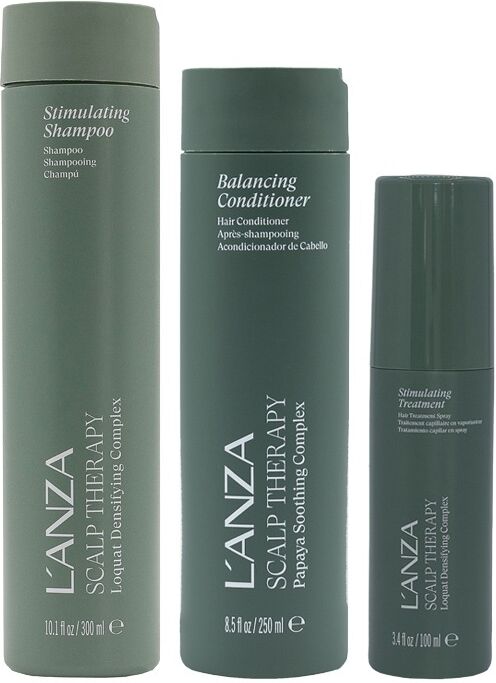
L'Anza Scalp Therapy Stimulating Shampoo - 300ml & Scalp Therapy BalanThe L'Anza Scalp Therapy Stimulating Shampoo is the perfect solution for Hair Thinning and Shedding. The L'Anza Scalp Therapy Balancing Conditioner has been formulated to relieve Scalp Dryness, Flakiness, Irritation and works to Soothe Scalp Discomfort. The L'Anza Scalp Therapy Stimulating Treatment is the perfect formula for Hair Thinning and Shedding. How does it work? It works to boost Circulation and Invigorates Hair Follicles. Powered by the Loquat Densifying Complex. Ingredients Shampoo: WATER (AQUA), SODIUM METHYL COCOYL TAURATE, COCAMIDOPROPYL BETAINE, COCAMIDOPROPYL HYDROXYSULTAINE, COCAMIDE MIPA, ACRYLATES/BEHENETH-25 METHA- CRYLATE COPOLYMER, GLYCERIN, HYDROLYZED VEGETABLE PROTEIN, HYDROLYZED PEA PROTEIN, ERIOBOTRYA JAPONICA LEAF EXTRACT, BIOTIN, ACHILLEA MILLEFOLIUM FLOWER EXTRACT, MENTHA PIPERITA (PEPPERMINT) LEAF EXTRACT, AESCULUS HIPPOCASTANUM (HORSE CHESTNUT) SEED EXTRACT, CRATAEGUS MONOGYNA FRUIT EXTRACT, POLYGONUM MULTIFLORUM EXTRACT, EUCALYPTUS GLOBULUS LEAF OIL, ENTADA PHASEOLOIDES BARK/SEED EXTRACT, PHYTIC ACID, DIMETHICONOL MEADOWFOAMATE, SODIUM PCA, MAGNESIUM PCA, ZINC PCA, MANGANESE PCA, ETHYLHEXYL OLIVATE, CEREUS GRANDIFLORUS (CACTUS) FLOWER EXTRACT, BAMBUSA VULGARIS LEAF/STEM EXTRACT, PISUM SATIVUM (PEA) EXTRACT, ETHYL NICOTINATE, PANTHENOL, GLUCOSAMINE HCL, GUAR HYDROXYPROPYLTRIMONIUM CHLORIDE, PEG-150 DISTEARATE, TOCOPHEROL, SODIUM HYDROXIDE, CETRIMONIUM CHLORIDE, GLYCOL DISTEARATE, LAURETH-4, ALCOHOL, TRIS(TETRAMETHYLHYDROXYPIPERIDINOL) CITRATE, SODIUM BISULFITE, SILICONE QUATERNIUM-3, TRIDECETH-12, SODIUM BENZOATE, POTASSIUM SORBATE, CHLOR- PHENESIN, BENZOIC ACID, SORBIC ACID, PHENOXYETHANOL, ETHYLHEXYLGLYCERIN, MENTHOL, BENZOTRIAZOLYL DODECYL P-CRESOL, SQUALANE, HYDROXYPROPYL STARCH PHOSPHATE, SODIUM LAUROYL SARCOSINATE, STEARETH-4, PROPOXYTETRAMETHYL PIPERIDINYL DIMETHICONE, CETRIMONIUM BROMIDE, TRIDECETH-6, C11-15 ALKETH-7, POLYQUATERNIUM-22, BUTYLENE GLYCOL, PEG-8 LAURATE, PEG-150 PENTAERYTHRITYL TETRASTEARATE, PEG-6 CAPRYLIC/ CAPRIC GLYCERIDES, CITRIC ACID, GLYCOL STEARATE, FRAGRANCE (PARFUM), HEXYL CINNAMAL, LIMONENE, LINALOOL.118,75 £*Shipping: 0,00 £Secure redirect to the provider
-
L'Anza Scalp Therapy Stimulating Shampoo 300ml & Scalp Therapy BalanciThe L'Anza Scalp Therapy Stimulating Shampoo is the perfect solution for Hair Thinning and Shedding. The L'Anza Scalp Therapy Balancing Conditioner has been formulated to relieve Scalp Dryness, Flakiness, Irritation and works to Soothe Scalp Discomfort, How does it work? It works to boost Circulation and Invigorates Hair Follicles. Powered by the Loquat Densifying Complex. What does it target? Reduces Flakes. Powered by the Papaya Soothing Complex. Ingredients Shampoo: WATER (AQUA), SODIUM METHYL COCOYL TAURATE, COCAMIDOPROPYL BETAINE, COCAMIDOPROPYL HYDROXYSULTAINE, COCAMIDE MIPA, ACRYLATES/BEHENETH-25 METHA- CRYLATE COPOLYMER, GLYCERIN, HYDROLYZED VEGETABLE PROTEIN, HYDROLYZED PEA PROTEIN, ERIOBOTRYA JAPONICA LEAF EXTRACT, BIOTIN, ACHILLEA MILLEFOLIUM FLOWER EXTRACT, MENTHA PIPERITA (PEPPERMINT) LEAF EXTRACT, AESCULUS HIPPOCASTANUM (HORSE CHESTNUT) SEED EXTRACT, CRATAEGUS MONOGYNA FRUIT EXTRACT, POLYGONUM MULTIFLORUM EXTRACT, EUCALYPTUS GLOBULUS LEAF OIL, ENTADA PHASEOLOIDES BARK/SEED EXTRACT, PHYTIC ACID, DIMETHICONOL MEADOWFOAMATE, SODIUM PCA, MAGNESIUM PCA, ZINC PCA, MANGANESE PCA, ETHYLHEXYL OLIVATE, CEREUS GRANDIFLORUS (CACTUS) FLOWER EXTRACT, BAMBUSA VULGARIS LEAF/STEM EXTRACT, PISUM SATIVUM (PEA) EXTRACT, ETHYL NICOTINATE, PANTHENOL, GLUCOSAMINE HCL, GUAR HYDROXYPROPYLTRIMONIUM CHLORIDE, PEG-150 DISTEARATE, TOCOPHEROL, SODIUM HYDROXIDE, CETRIMONIUM CHLORIDE, GLYCOL DISTEARATE, LAURETH-4, ALCOHOL, TRIS(TETRAMETHYLHYDROXYPIPERIDINOL) CITRATE, SODIUM BISULFITE, SILICONE QUATERNIUM-3, TRIDECETH-12, SODIUM BENZOATE, POTASSIUM SORBATE, CHLOR- PHENESIN, BENZOIC ACID, SORBIC ACID, PHENOXYETHANOL, ETHYLHEXYLGLYCERIN, MENTHOL, BENZOTRIAZOLYL DODECYL P-CRESOL, SQUALANE, HYDROXYPROPYL STARCH PHOSPHATE, SODIUM LAUROYL SARCOSINATE, STEARETH-4, PROPOXYTETRAMETHYL PIPERIDINYL DIMETHICONE, CETRIMONIUM BROMIDE, TRIDECETH-6, C11-15 ALKETH-7, POLYQUATERNIUM-22, BUTYLENE GLYCOL, PEG-8 LAURATE, PEG-150 PENTAERYTHRITYL TETRASTEARATE, PEG-6 CAPRYLIC/ CAPRIC GLYCERIDES, CITRIC ACID, GLYCOL STEARATE, FRAGRANCE (PARFUM), HEXYL CINNAMAL, LIMONENE, LINALOOL.60,80 £*Shipping: 0,00 £Secure redirect to the provider
-
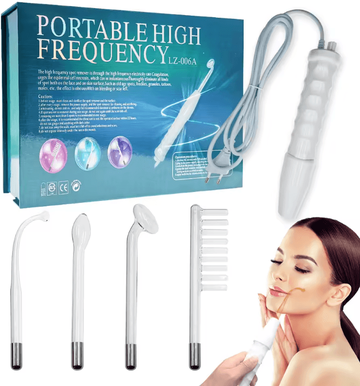
Inspire Essentials ClearSkin High Frequency Therapy Wand ClearSkin High Frequency Therapy WandReveal your best skin with the high frequency wand that helps fade acne, smooth texture, and promote a radiant, youthful glow. The ClearSkin High Frequency Therapy Wand delivers spalevel rejuvenation right at home through gentle electrical...70,48 $*Shipping: 0,00 $Secure redirect to the provider

-
What does a transpiration diagram look like?
A transpiration diagram typically shows the movement of water through a plant, from the roots to the leaves, and its subsequent release into the atmosphere through the process of transpiration. It often includes arrows to indicate the direction of water flow, as well as labels to identify the different parts of the plant involved in transpiration, such as roots, stem, and leaves. The diagram may also include annotations to explain the role of stomata in regulating transpiration and the factors that influence the rate of water loss. **
-
What is the significance of transpiration for plants?
Transpiration is essential for plants as it helps in the absorption of water and nutrients from the soil through the roots. It also helps in maintaining the plant's temperature by cooling the leaves through the process of evaporation. Additionally, transpiration plays a crucial role in the transportation of minerals and nutrients from the roots to the leaves and other parts of the plant. Overall, transpiration is vital for the overall health and growth of plants. **
-
Why do dead hair reduce transpiration in plants?
Dead hair reduces transpiration in plants because it forms a protective layer over the surface of the plant, reducing the rate of water loss through transpiration. This layer of dead hair acts as a barrier, preventing excessive water loss and helping the plant to conserve water in dry or arid conditions. Additionally, dead hair can also provide insulation, reducing the impact of environmental factors such as wind and sun exposure, which can further reduce transpiration. Overall, dead hair plays a crucial role in helping plants adapt and survive in challenging environmental conditions. **
-
How can an experiment on plant transpiration be conducted?
An experiment on plant transpiration can be conducted by setting up a simple apparatus called a potometer. This apparatus consists of a plant stem inserted into a capillary tube filled with water, allowing you to measure the rate of water uptake by the plant. By controlling factors such as light intensity, temperature, and humidity, you can observe how these variables affect the rate of transpiration in the plant. By recording the changes in water level in the capillary tube over time, you can calculate the rate of transpiration and draw conclusions about the factors influencing this process. **


How can one conduct an experiment on plant transpiration?
To conduct an experiment on plant transpiration, one can set up a simple experiment using potted plants, plastic bags, a scale, and a ruler. Start by placing a potted plant in a plastic bag and sealing it tightly. Leave the plant in a well-lit area for a set period of time, such as 24 hours. Weigh the plant before and after the experiment to measure the amount of water lost through transpiration. Use the ruler to measure the surface area of the leaves to calculate the rate of transpiration. **
How can the transpiration process in plants be investigated?
The transpiration process in plants can be investigated through several methods. One common method is to use a potometer, which measures the rate of water uptake by a plant. By measuring the change in water level in the potometer over time, the rate of transpiration can be calculated. Another method is to use a gas analyzer to measure the rate of water vapor loss from the leaves of a plant. Additionally, researchers can use isotopic labeling techniques to track the movement of water through the plant and determine the rate of transpiration. These methods provide valuable insights into the transpiration process and its role in plant physiology. **
Top-Angebote
Products related to Transpiration:
-
SOSU Cosmetics Cosmetic cosmetic pencil sharpener 1 pcSOSU Cosmetics Cosmetic, 1 pc, Sharpeners for Women, A perfectly sharpened cosmetic pencil is the key to success and precise makeup, whether you’re using it as eyeliner, contouring your lips or filling in your eyebrows. The SOSU Cosmetics Cosmetic pencil sharpener sharpens your blunt pencils in an instant, making your makeup precise and flawless. Forget about futile attempts at trying to create sophisticated makeup looks with blunt tips and elevate the performance of your products by sharpening them to perfection. Characteristics: sharpens wooden pencils quickly and easily prevents makeup pencils from breaking practical packaging How to use: This pencil sharpener is intended for makeup pencils only. Insert the pencil in the selected hole and turn it gently in one direction to cut as desired. After removing the pencil, empty the waste from the sharpener.4,00 £*Shipping: 3,99 £Secure redirect to the provider
-
L'Anza Scalp Therapy Stimulating Shampoo - 300ml & Scalp Therapy BalanThe L'Anza Scalp Therapy Stimulating Shampoo is the perfect solution for Hair Thinning and Shedding. The L'Anza Scalp Therapy Balancing Conditioner has been formulated to relieve Scalp Dryness, Flakiness, Irritation and works to Soothe Scalp Discomfort. The L'Anza Scalp Therapy Stimulating Treatment is the perfect formula for Hair Thinning and Shedding. How does it work? It works to boost Circulation and Invigorates Hair Follicles. Powered by the Loquat Densifying Complex. Ingredients Shampoo: WATER (AQUA), SODIUM METHYL COCOYL TAURATE, COCAMIDOPROPYL BETAINE, COCAMIDOPROPYL HYDROXYSULTAINE, COCAMIDE MIPA, ACRYLATES/BEHENETH-25 METHA- CRYLATE COPOLYMER, GLYCERIN, HYDROLYZED VEGETABLE PROTEIN, HYDROLYZED PEA PROTEIN, ERIOBOTRYA JAPONICA LEAF EXTRACT, BIOTIN, ACHILLEA MILLEFOLIUM FLOWER EXTRACT, MENTHA PIPERITA (PEPPERMINT) LEAF EXTRACT, AESCULUS HIPPOCASTANUM (HORSE CHESTNUT) SEED EXTRACT, CRATAEGUS MONOGYNA FRUIT EXTRACT, POLYGONUM MULTIFLORUM EXTRACT, EUCALYPTUS GLOBULUS LEAF OIL, ENTADA PHASEOLOIDES BARK/SEED EXTRACT, PHYTIC ACID, DIMETHICONOL MEADOWFOAMATE, SODIUM PCA, MAGNESIUM PCA, ZINC PCA, MANGANESE PCA, ETHYLHEXYL OLIVATE, CEREUS GRANDIFLORUS (CACTUS) FLOWER EXTRACT, BAMBUSA VULGARIS LEAF/STEM EXTRACT, PISUM SATIVUM (PEA) EXTRACT, ETHYL NICOTINATE, PANTHENOL, GLUCOSAMINE HCL, GUAR HYDROXYPROPYLTRIMONIUM CHLORIDE, PEG-150 DISTEARATE, TOCOPHEROL, SODIUM HYDROXIDE, CETRIMONIUM CHLORIDE, GLYCOL DISTEARATE, LAURETH-4, ALCOHOL, TRIS(TETRAMETHYLHYDROXYPIPERIDINOL) CITRATE, SODIUM BISULFITE, SILICONE QUATERNIUM-3, TRIDECETH-12, SODIUM BENZOATE, POTASSIUM SORBATE, CHLOR- PHENESIN, BENZOIC ACID, SORBIC ACID, PHENOXYETHANOL, ETHYLHEXYLGLYCERIN, MENTHOL, BENZOTRIAZOLYL DODECYL P-CRESOL, SQUALANE, HYDROXYPROPYL STARCH PHOSPHATE, SODIUM LAUROYL SARCOSINATE, STEARETH-4, PROPOXYTETRAMETHYL PIPERIDINYL DIMETHICONE, CETRIMONIUM BROMIDE, TRIDECETH-6, C11-15 ALKETH-7, POLYQUATERNIUM-22, BUTYLENE GLYCOL, PEG-8 LAURATE, PEG-150 PENTAERYTHRITYL TETRASTEARATE, PEG-6 CAPRYLIC/ CAPRIC GLYCERIDES, CITRIC ACID, GLYCOL STEARATE, FRAGRANCE (PARFUM), HEXYL CINNAMAL, LIMONENE, LINALOOL.118,75 £*Shipping: 0,00 £Secure redirect to the provider
-
L'Anza Scalp Therapy Stimulating Shampoo 300ml & Scalp Therapy BalanciThe L'Anza Scalp Therapy Stimulating Shampoo is the perfect solution for Hair Thinning and Shedding. The L'Anza Scalp Therapy Balancing Conditioner has been formulated to relieve Scalp Dryness, Flakiness, Irritation and works to Soothe Scalp Discomfort, How does it work? It works to boost Circulation and Invigorates Hair Follicles. Powered by the Loquat Densifying Complex. What does it target? Reduces Flakes. Powered by the Papaya Soothing Complex. Ingredients Shampoo: WATER (AQUA), SODIUM METHYL COCOYL TAURATE, COCAMIDOPROPYL BETAINE, COCAMIDOPROPYL HYDROXYSULTAINE, COCAMIDE MIPA, ACRYLATES/BEHENETH-25 METHA- CRYLATE COPOLYMER, GLYCERIN, HYDROLYZED VEGETABLE PROTEIN, HYDROLYZED PEA PROTEIN, ERIOBOTRYA JAPONICA LEAF EXTRACT, BIOTIN, ACHILLEA MILLEFOLIUM FLOWER EXTRACT, MENTHA PIPERITA (PEPPERMINT) LEAF EXTRACT, AESCULUS HIPPOCASTANUM (HORSE CHESTNUT) SEED EXTRACT, CRATAEGUS MONOGYNA FRUIT EXTRACT, POLYGONUM MULTIFLORUM EXTRACT, EUCALYPTUS GLOBULUS LEAF OIL, ENTADA PHASEOLOIDES BARK/SEED EXTRACT, PHYTIC ACID, DIMETHICONOL MEADOWFOAMATE, SODIUM PCA, MAGNESIUM PCA, ZINC PCA, MANGANESE PCA, ETHYLHEXYL OLIVATE, CEREUS GRANDIFLORUS (CACTUS) FLOWER EXTRACT, BAMBUSA VULGARIS LEAF/STEM EXTRACT, PISUM SATIVUM (PEA) EXTRACT, ETHYL NICOTINATE, PANTHENOL, GLUCOSAMINE HCL, GUAR HYDROXYPROPYLTRIMONIUM CHLORIDE, PEG-150 DISTEARATE, TOCOPHEROL, SODIUM HYDROXIDE, CETRIMONIUM CHLORIDE, GLYCOL DISTEARATE, LAURETH-4, ALCOHOL, TRIS(TETRAMETHYLHYDROXYPIPERIDINOL) CITRATE, SODIUM BISULFITE, SILICONE QUATERNIUM-3, TRIDECETH-12, SODIUM BENZOATE, POTASSIUM SORBATE, CHLOR- PHENESIN, BENZOIC ACID, SORBIC ACID, PHENOXYETHANOL, ETHYLHEXYLGLYCERIN, MENTHOL, BENZOTRIAZOLYL DODECYL P-CRESOL, SQUALANE, HYDROXYPROPYL STARCH PHOSPHATE, SODIUM LAUROYL SARCOSINATE, STEARETH-4, PROPOXYTETRAMETHYL PIPERIDINYL DIMETHICONE, CETRIMONIUM BROMIDE, TRIDECETH-6, C11-15 ALKETH-7, POLYQUATERNIUM-22, BUTYLENE GLYCOL, PEG-8 LAURATE, PEG-150 PENTAERYTHRITYL TETRASTEARATE, PEG-6 CAPRYLIC/ CAPRIC GLYCERIDES, CITRIC ACID, GLYCOL STEARATE, FRAGRANCE (PARFUM), HEXYL CINNAMAL, LIMONENE, LINALOOL.60,80 £*Shipping: 0,00 £Secure redirect to the provider
-
What is transpiration in biology?
Transpiration is the process by which plants absorb water through their roots and then release it into the atmosphere through small openings in their leaves called stomata. This process helps plants to regulate their temperature, transport nutrients, and maintain their shape. Transpiration also plays a role in the water cycle by returning water vapor to the atmosphere. **
-
How does transpiration depend on humidity?
Transpiration is the process by which water is lost from a plant through the stomata in its leaves. Humidity affects transpiration because it is the measure of water vapor in the air. When the air is dry, with low humidity, the plant will transpire more to compensate for the lack of moisture in the air. Conversely, when the air is humid, with high humidity, the plant will transpire less because the air already contains a significant amount of water vapor. Therefore, transpiration is directly influenced by the humidity of the surrounding air. **
-
What does a transpiration diagram look like?
A transpiration diagram typically shows the movement of water through a plant, from the roots to the leaves, and its subsequent release into the atmosphere through the process of transpiration. It often includes arrows to indicate the direction of water flow, as well as labels to identify the different parts of the plant involved in transpiration, such as roots, stem, and leaves. The diagram may also include annotations to explain the role of stomata in regulating transpiration and the factors that influence the rate of water loss. **
-
What is the significance of transpiration for plants?
Transpiration is essential for plants as it helps in the absorption of water and nutrients from the soil through the roots. It also helps in maintaining the plant's temperature by cooling the leaves through the process of evaporation. Additionally, transpiration plays a crucial role in the transportation of minerals and nutrients from the roots to the leaves and other parts of the plant. Overall, transpiration is vital for the overall health and growth of plants. **
Similar search terms for Transpiration
-
Inspire Essentials ClearSkin High Frequency Therapy Wand ClearSkin High Frequency Therapy WandReveal your best skin with the high frequency wand that helps fade acne, smooth texture, and promote a radiant, youthful glow. The ClearSkin High Frequency Therapy Wand delivers spalevel rejuvenation right at home through gentle electrical...70,48 $*Shipping: 0,00 $Secure redirect to the provider
-
Inspired Deals LED Light Therapy Mask For Acne Treatment With Red Blue Light Facial Therapy LED Light Therapy Mask For Acne Treatment With Red Blue Light Facial TherapyTake the next step toward clearer, healthierlooking skin with the LED light therapy mask designed for safe, athome skincare. Combining acne treatment mask technology with red and blue light, it helps target blemishes while supporting a smoother,...74,97 $*Shipping: 0,00 $Secure redirect to the provider
-
Inspire Daily Merch Ceramic Long Eared Rabbit Ornament, Creative Home Decoration, Living Room Bedroom Office Art, Light Luxury Aesthetics goldElegant Creative Design: Elevate your space with this Creative Ceramic LongEared Rabbit Ornament. Perfect for Living Room, Bedroom, or Office Decoration, it combines artistry and charm to enhance your home's aesthetic appeal. The delicate long ears...39,97 $*Shipping: 0,00 $Secure redirect to the provider
-
Why do dead hair reduce transpiration in plants?
Dead hair reduces transpiration in plants because it forms a protective layer over the surface of the plant, reducing the rate of water loss through transpiration. This layer of dead hair acts as a barrier, preventing excessive water loss and helping the plant to conserve water in dry or arid conditions. Additionally, dead hair can also provide insulation, reducing the impact of environmental factors such as wind and sun exposure, which can further reduce transpiration. Overall, dead hair plays a crucial role in helping plants adapt and survive in challenging environmental conditions. **
-
How can an experiment on plant transpiration be conducted?
An experiment on plant transpiration can be conducted by setting up a simple apparatus called a potometer. This apparatus consists of a plant stem inserted into a capillary tube filled with water, allowing you to measure the rate of water uptake by the plant. By controlling factors such as light intensity, temperature, and humidity, you can observe how these variables affect the rate of transpiration in the plant. By recording the changes in water level in the capillary tube over time, you can calculate the rate of transpiration and draw conclusions about the factors influencing this process. **
-
How can one conduct an experiment on plant transpiration?
To conduct an experiment on plant transpiration, one can set up a simple experiment using potted plants, plastic bags, a scale, and a ruler. Start by placing a potted plant in a plastic bag and sealing it tightly. Leave the plant in a well-lit area for a set period of time, such as 24 hours. Weigh the plant before and after the experiment to measure the amount of water lost through transpiration. Use the ruler to measure the surface area of the leaves to calculate the rate of transpiration. **
-
How can the transpiration process in plants be investigated?
The transpiration process in plants can be investigated through several methods. One common method is to use a potometer, which measures the rate of water uptake by a plant. By measuring the change in water level in the potometer over time, the rate of transpiration can be calculated. Another method is to use a gas analyzer to measure the rate of water vapor loss from the leaves of a plant. Additionally, researchers can use isotopic labeling techniques to track the movement of water through the plant and determine the rate of transpiration. These methods provide valuable insights into the transpiration process and its role in plant physiology. **
* All prices are inclusive of VAT and, if applicable, plus shipping costs. The offer information is based on the details provided by the respective shop and is updated through automated processes. Real-time updates do not occur, so deviations can occur in individual cases. ** Note: Parts of this content were created by AI.