Buy lasern.eu ?
We are moving the project
lasern.eu .
Are you interested in purchasing the domain
lasern.eu ?
domain@kv-gmbh.de · 0541-91531010
Buy lasern.eu ?
How does a single-celled organism become a multicellular organism?
A single-celled organism can become a multicellular organism through a process called cell division and specialization. Initially, the single cell undergoes multiple rounds of cell division, resulting in a cluster of cells. These cells then start to differentiate and specialize in their functions, forming different types of tissues and organs. Through further cell division, specialization, and coordination, these cells organize themselves into a complex multicellular organism with various cell types working together to perform specific functions. This process is known as cellular differentiation and is essential for the development of multicellular organisms. **
How did the unicellular organism evolve into a multicellular organism?
The evolution of unicellular organisms into multicellular organisms is believed to have occurred through a process called coloniality. Initially, unicellular organisms formed colonies where individual cells worked together for survival. Over time, some cells within these colonies specialized in specific functions, leading to the development of multicellular organisms with different cell types. This specialization allowed for more complex structures and functions, ultimately leading to the evolution of multicellular organisms. **

Similar search terms for Organism
Top-Angebote
Products related to Organism:
-
Inspire Daily Merch Ceramic Long Eared Rabbit Ornament, Creative Home Decoration, Living Room Bedroom Office Art, Light Luxury Aesthetics whiteElegant Creative Design: Elevate your space with this Creative Ceramic LongEared Rabbit Ornament. Perfect for Living Room, Bedroom, or Office Decoration, it combines artistry and charm to enhance your home's aesthetic appeal. The delicate long ears...39,97 $*Shipping: 0,00 $Secure redirect to the provider
-
Inspired Deals LED Light Therapy Mask For Acne Treatment With Red Blue Light Facial Therapy LED Light Therapy Mask For Acne Treatment With Red Blue Light Facial TherapyTake the next step toward clearer, healthierlooking skin with the LED light therapy mask designed for safe, athome skincare. Combining acne treatment mask technology with red and blue light, it helps target blemishes while supporting a smoother,...74,97 $*Shipping: 0,00 $Secure redirect to the provider
-
Inspire Essentials ClearSkin High Frequency Therapy Wand ClearSkin High Frequency Therapy WandReveal your best skin with the high frequency wand that helps fade acne, smooth texture, and promote a radiant, youthful glow. The ClearSkin High Frequency Therapy Wand delivers spalevel rejuvenation right at home through gentle electrical...70,48 $*Shipping: 0,00 $Secure redirect to the provider



-
How can a single-celled organism become a multicellular organism?
A single-celled organism can become a multicellular organism through a process called cell aggregation. This occurs when individual cells come together and adhere to each other, forming a multicellular structure. Over time, these cells differentiate and specialize to perform specific functions within the organism, leading to the development of tissues and organs. This process allows the single-celled organism to evolve into a complex, multicellular organism with a higher level of organization and specialization. **
-
How did the single-celled organism develop into a multicellular organism?
The transition from single-celled to multicellular organisms is thought to have occurred through a process called coloniality, where individual cells began to work together and specialize in different functions. This allowed for more efficient resource utilization and increased the organism's ability to adapt to different environments. Over time, these specialized cells became more integrated and developed into the complex multicellular organisms we see today. This transition likely occurred independently in different lineages of organisms, leading to the diverse array of multicellular life forms we see today. **
-
Can viruses transform an entire organism into another similar and permanently viable organism?
No, viruses cannot transform an entire organism into another similar and permanently viable organism. Viruses are not capable of causing such a drastic and complex transformation in an organism. While viruses can cause changes in the host organism's cells and genetic material, they do not have the ability to completely transform one organism into another. The concept of a virus causing such a transformation is more characteristic of science fiction rather than actual scientific understanding of virology. **
-
Is the blastocyst an organism?
Yes, the blastocyst is considered an organism. It is the stage of development of a fertilized egg before it implants into the uterus. At this stage, the blastocyst is a multicellular structure with specialized cells that will eventually develop into the fetus and placenta. Therefore, the blastocyst can be considered an early stage of an organism's development. **
Is cress a living organism?
Yes, cress is a living organism. It is a type of plant that belongs to the mustard family and is commonly grown for its edible leaves. Like all plants, cress is a living organism that undergoes processes such as photosynthesis, respiration, and growth. It requires water, sunlight, and nutrients to survive and thrive. **
Is yeast a living organism?
Yes, yeast is a living organism. It is a type of fungus that belongs to the kingdom Fungi. Yeast cells are single-celled organisms that can reproduce asexually through budding. They are capable of metabolizing sugars and producing carbon dioxide and alcohol through the process of fermentation. Yeast is commonly used in baking and brewing due to its ability to ferment sugars and produce carbon dioxide, which causes dough to rise and gives beer and wine their alcoholic content. **
Top-Angebote
Products related to Organism:
-
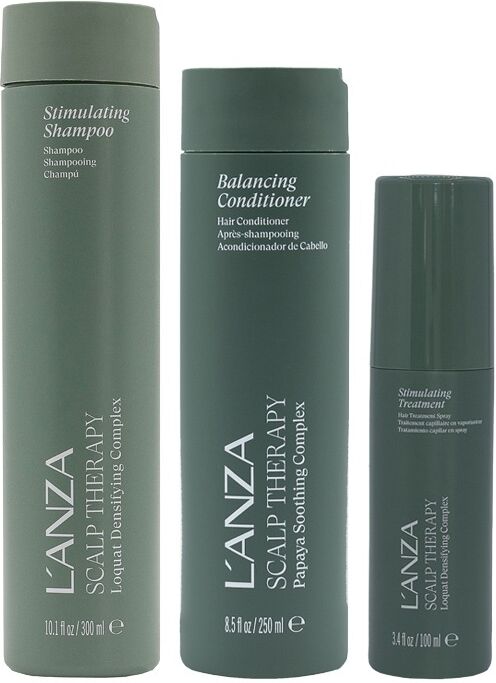
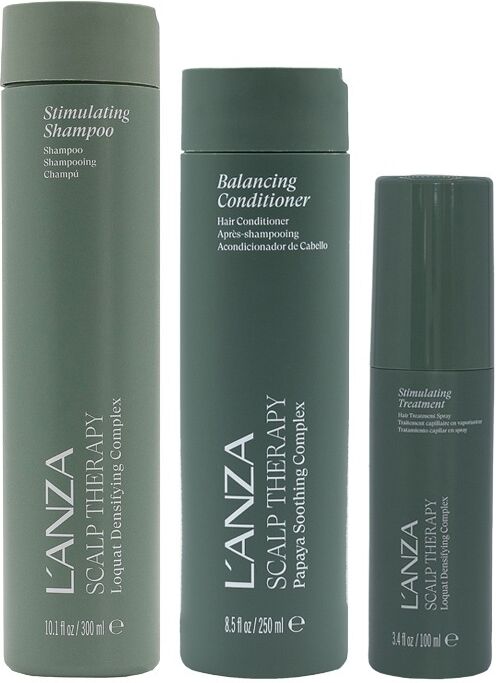
L'Anza Scalp Therapy Stimulating Shampoo - 300ml & Scalp Therapy BalanThe L'Anza Scalp Therapy Stimulating Shampoo is the perfect solution for Hair Thinning and Shedding. The L'Anza Scalp Therapy Balancing Conditioner has been formulated to relieve Scalp Dryness, Flakiness, Irritation and works to Soothe Scalp Discomfort. The L'Anza Scalp Therapy Stimulating Treatment is the perfect formula for Hair Thinning and Shedding. How does it work? It works to boost Circulation and Invigorates Hair Follicles. Powered by the Loquat Densifying Complex. Ingredients Shampoo: WATER (AQUA), SODIUM METHYL COCOYL TAURATE, COCAMIDOPROPYL BETAINE, COCAMIDOPROPYL HYDROXYSULTAINE, COCAMIDE MIPA, ACRYLATES/BEHENETH-25 METHA- CRYLATE COPOLYMER, GLYCERIN, HYDROLYZED VEGETABLE PROTEIN, HYDROLYZED PEA PROTEIN, ERIOBOTRYA JAPONICA LEAF EXTRACT, BIOTIN, ACHILLEA MILLEFOLIUM FLOWER EXTRACT, MENTHA PIPERITA (PEPPERMINT) LEAF EXTRACT, AESCULUS HIPPOCASTANUM (HORSE CHESTNUT) SEED EXTRACT, CRATAEGUS MONOGYNA FRUIT EXTRACT, POLYGONUM MULTIFLORUM EXTRACT, EUCALYPTUS GLOBULUS LEAF OIL, ENTADA PHASEOLOIDES BARK/SEED EXTRACT, PHYTIC ACID, DIMETHICONOL MEADOWFOAMATE, SODIUM PCA, MAGNESIUM PCA, ZINC PCA, MANGANESE PCA, ETHYLHEXYL OLIVATE, CEREUS GRANDIFLORUS (CACTUS) FLOWER EXTRACT, BAMBUSA VULGARIS LEAF/STEM EXTRACT, PISUM SATIVUM (PEA) EXTRACT, ETHYL NICOTINATE, PANTHENOL, GLUCOSAMINE HCL, GUAR HYDROXYPROPYLTRIMONIUM CHLORIDE, PEG-150 DISTEARATE, TOCOPHEROL, SODIUM HYDROXIDE, CETRIMONIUM CHLORIDE, GLYCOL DISTEARATE, LAURETH-4, ALCOHOL, TRIS(TETRAMETHYLHYDROXYPIPERIDINOL) CITRATE, SODIUM BISULFITE, SILICONE QUATERNIUM-3, TRIDECETH-12, SODIUM BENZOATE, POTASSIUM SORBATE, CHLOR- PHENESIN, BENZOIC ACID, SORBIC ACID, PHENOXYETHANOL, ETHYLHEXYLGLYCERIN, MENTHOL, BENZOTRIAZOLYL DODECYL P-CRESOL, SQUALANE, HYDROXYPROPYL STARCH PHOSPHATE, SODIUM LAUROYL SARCOSINATE, STEARETH-4, PROPOXYTETRAMETHYL PIPERIDINYL DIMETHICONE, CETRIMONIUM BROMIDE, TRIDECETH-6, C11-15 ALKETH-7, POLYQUATERNIUM-22, BUTYLENE GLYCOL, PEG-8 LAURATE, PEG-150 PENTAERYTHRITYL TETRASTEARATE, PEG-6 CAPRYLIC/ CAPRIC GLYCERIDES, CITRIC ACID, GLYCOL STEARATE, FRAGRANCE (PARFUM), HEXYL CINNAMAL, LIMONENE, LINALOOL.118,75 £*Shipping: 0,00 £Secure redirect to the provider
-
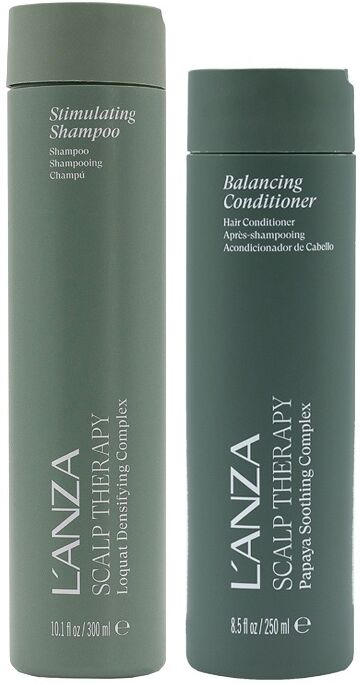
L'Anza Scalp Therapy Stimulating Shampoo 300ml & Scalp Therapy BalanciThe L'Anza Scalp Therapy Stimulating Shampoo is the perfect solution for Hair Thinning and Shedding. The L'Anza Scalp Therapy Balancing Conditioner has been formulated to relieve Scalp Dryness, Flakiness, Irritation and works to Soothe Scalp Discomfort, How does it work? It works to boost Circulation and Invigorates Hair Follicles. Powered by the Loquat Densifying Complex. What does it target? Reduces Flakes. Powered by the Papaya Soothing Complex. Ingredients Shampoo: WATER (AQUA), SODIUM METHYL COCOYL TAURATE, COCAMIDOPROPYL BETAINE, COCAMIDOPROPYL HYDROXYSULTAINE, COCAMIDE MIPA, ACRYLATES/BEHENETH-25 METHA- CRYLATE COPOLYMER, GLYCERIN, HYDROLYZED VEGETABLE PROTEIN, HYDROLYZED PEA PROTEIN, ERIOBOTRYA JAPONICA LEAF EXTRACT, BIOTIN, ACHILLEA MILLEFOLIUM FLOWER EXTRACT, MENTHA PIPERITA (PEPPERMINT) LEAF EXTRACT, AESCULUS HIPPOCASTANUM (HORSE CHESTNUT) SEED EXTRACT, CRATAEGUS MONOGYNA FRUIT EXTRACT, POLYGONUM MULTIFLORUM EXTRACT, EUCALYPTUS GLOBULUS LEAF OIL, ENTADA PHASEOLOIDES BARK/SEED EXTRACT, PHYTIC ACID, DIMETHICONOL MEADOWFOAMATE, SODIUM PCA, MAGNESIUM PCA, ZINC PCA, MANGANESE PCA, ETHYLHEXYL OLIVATE, CEREUS GRANDIFLORUS (CACTUS) FLOWER EXTRACT, BAMBUSA VULGARIS LEAF/STEM EXTRACT, PISUM SATIVUM (PEA) EXTRACT, ETHYL NICOTINATE, PANTHENOL, GLUCOSAMINE HCL, GUAR HYDROXYPROPYLTRIMONIUM CHLORIDE, PEG-150 DISTEARATE, TOCOPHEROL, SODIUM HYDROXIDE, CETRIMONIUM CHLORIDE, GLYCOL DISTEARATE, LAURETH-4, ALCOHOL, TRIS(TETRAMETHYLHYDROXYPIPERIDINOL) CITRATE, SODIUM BISULFITE, SILICONE QUATERNIUM-3, TRIDECETH-12, SODIUM BENZOATE, POTASSIUM SORBATE, CHLOR- PHENESIN, BENZOIC ACID, SORBIC ACID, PHENOXYETHANOL, ETHYLHEXYLGLYCERIN, MENTHOL, BENZOTRIAZOLYL DODECYL P-CRESOL, SQUALANE, HYDROXYPROPYL STARCH PHOSPHATE, SODIUM LAUROYL SARCOSINATE, STEARETH-4, PROPOXYTETRAMETHYL PIPERIDINYL DIMETHICONE, CETRIMONIUM BROMIDE, TRIDECETH-6, C11-15 ALKETH-7, POLYQUATERNIUM-22, BUTYLENE GLYCOL, PEG-8 LAURATE, PEG-150 PENTAERYTHRITYL TETRASTEARATE, PEG-6 CAPRYLIC/ CAPRIC GLYCERIDES, CITRIC ACID, GLYCOL STEARATE, FRAGRANCE (PARFUM), HEXYL CINNAMAL, LIMONENE, LINALOOL.60,80 £*Shipping: 0,00 £Secure redirect to the provider
-
Inspire Daily Merch Ceramic Long Eared Rabbit Ornament, Creative Home Decoration, Living Room Bedroom Office Art, Light Luxury Aesthetics whiteElegant Creative Design: Elevate your space with this Creative Ceramic LongEared Rabbit Ornament. Perfect for Living Room, Bedroom, or Office Decoration, it combines artistry and charm to enhance your home's aesthetic appeal. The delicate long ears...39,97 $*Shipping: 0,00 $Secure redirect to the provider
-
How does a single-celled organism become a multicellular organism?
A single-celled organism can become a multicellular organism through a process called cell division and specialization. Initially, the single cell undergoes multiple rounds of cell division, resulting in a cluster of cells. These cells then start to differentiate and specialize in their functions, forming different types of tissues and organs. Through further cell division, specialization, and coordination, these cells organize themselves into a complex multicellular organism with various cell types working together to perform specific functions. This process is known as cellular differentiation and is essential for the development of multicellular organisms. **
-
How did the unicellular organism evolve into a multicellular organism?
The evolution of unicellular organisms into multicellular organisms is believed to have occurred through a process called coloniality. Initially, unicellular organisms formed colonies where individual cells worked together for survival. Over time, some cells within these colonies specialized in specific functions, leading to the development of multicellular organisms with different cell types. This specialization allowed for more complex structures and functions, ultimately leading to the evolution of multicellular organisms. **
-
How can a single-celled organism become a multicellular organism?
A single-celled organism can become a multicellular organism through a process called cell aggregation. This occurs when individual cells come together and adhere to each other, forming a multicellular structure. Over time, these cells differentiate and specialize to perform specific functions within the organism, leading to the development of tissues and organs. This process allows the single-celled organism to evolve into a complex, multicellular organism with a higher level of organization and specialization. **
-
How did the single-celled organism develop into a multicellular organism?
The transition from single-celled to multicellular organisms is thought to have occurred through a process called coloniality, where individual cells began to work together and specialize in different functions. This allowed for more efficient resource utilization and increased the organism's ability to adapt to different environments. Over time, these specialized cells became more integrated and developed into the complex multicellular organisms we see today. This transition likely occurred independently in different lineages of organisms, leading to the diverse array of multicellular life forms we see today. **
Similar search terms for Organism
-
Inspired Deals LED Light Therapy Mask For Acne Treatment With Red Blue Light Facial Therapy LED Light Therapy Mask For Acne Treatment With Red Blue Light Facial TherapyTake the next step toward clearer, healthierlooking skin with the LED light therapy mask designed for safe, athome skincare. Combining acne treatment mask technology with red and blue light, it helps target blemishes while supporting a smoother,...74,97 $*Shipping: 0,00 $Secure redirect to the provider
-
Inspire Essentials ClearSkin High Frequency Therapy Wand ClearSkin High Frequency Therapy WandReveal your best skin with the high frequency wand that helps fade acne, smooth texture, and promote a radiant, youthful glow. The ClearSkin High Frequency Therapy Wand delivers spalevel rejuvenation right at home through gentle electrical...70,48 $*Shipping: 0,00 $Secure redirect to the provider
-
L'Anza Scalp Therapy Stimulating Shampoo - 300ml & Scalp Therapy BalanThe L'Anza Scalp Therapy Stimulating Shampoo is the perfect solution for Hair Thinning and Shedding. The L'Anza Scalp Therapy Balancing Conditioner has been formulated to relieve Scalp Dryness, Flakiness, Irritation and works to Soothe Scalp Discomfort. The L'Anza Scalp Therapy Stimulating Treatment is the perfect formula for Hair Thinning and Shedding. How does it work? It works to boost Circulation and Invigorates Hair Follicles. Powered by the Loquat Densifying Complex. Ingredients Shampoo: WATER (AQUA), SODIUM METHYL COCOYL TAURATE, COCAMIDOPROPYL BETAINE, COCAMIDOPROPYL HYDROXYSULTAINE, COCAMIDE MIPA, ACRYLATES/BEHENETH-25 METHA- CRYLATE COPOLYMER, GLYCERIN, HYDROLYZED VEGETABLE PROTEIN, HYDROLYZED PEA PROTEIN, ERIOBOTRYA JAPONICA LEAF EXTRACT, BIOTIN, ACHILLEA MILLEFOLIUM FLOWER EXTRACT, MENTHA PIPERITA (PEPPERMINT) LEAF EXTRACT, AESCULUS HIPPOCASTANUM (HORSE CHESTNUT) SEED EXTRACT, CRATAEGUS MONOGYNA FRUIT EXTRACT, POLYGONUM MULTIFLORUM EXTRACT, EUCALYPTUS GLOBULUS LEAF OIL, ENTADA PHASEOLOIDES BARK/SEED EXTRACT, PHYTIC ACID, DIMETHICONOL MEADOWFOAMATE, SODIUM PCA, MAGNESIUM PCA, ZINC PCA, MANGANESE PCA, ETHYLHEXYL OLIVATE, CEREUS GRANDIFLORUS (CACTUS) FLOWER EXTRACT, BAMBUSA VULGARIS LEAF/STEM EXTRACT, PISUM SATIVUM (PEA) EXTRACT, ETHYL NICOTINATE, PANTHENOL, GLUCOSAMINE HCL, GUAR HYDROXYPROPYLTRIMONIUM CHLORIDE, PEG-150 DISTEARATE, TOCOPHEROL, SODIUM HYDROXIDE, CETRIMONIUM CHLORIDE, GLYCOL DISTEARATE, LAURETH-4, ALCOHOL, TRIS(TETRAMETHYLHYDROXYPIPERIDINOL) CITRATE, SODIUM BISULFITE, SILICONE QUATERNIUM-3, TRIDECETH-12, SODIUM BENZOATE, POTASSIUM SORBATE, CHLOR- PHENESIN, BENZOIC ACID, SORBIC ACID, PHENOXYETHANOL, ETHYLHEXYLGLYCERIN, MENTHOL, BENZOTRIAZOLYL DODECYL P-CRESOL, SQUALANE, HYDROXYPROPYL STARCH PHOSPHATE, SODIUM LAUROYL SARCOSINATE, STEARETH-4, PROPOXYTETRAMETHYL PIPERIDINYL DIMETHICONE, CETRIMONIUM BROMIDE, TRIDECETH-6, C11-15 ALKETH-7, POLYQUATERNIUM-22, BUTYLENE GLYCOL, PEG-8 LAURATE, PEG-150 PENTAERYTHRITYL TETRASTEARATE, PEG-6 CAPRYLIC/ CAPRIC GLYCERIDES, CITRIC ACID, GLYCOL STEARATE, FRAGRANCE (PARFUM), HEXYL CINNAMAL, LIMONENE, LINALOOL.118,75 £*Shipping: 0,00 £Secure redirect to the provider
-
L'Anza Scalp Therapy Stimulating Shampoo 300ml & Scalp Therapy BalanciThe L'Anza Scalp Therapy Stimulating Shampoo is the perfect solution for Hair Thinning and Shedding. The L'Anza Scalp Therapy Balancing Conditioner has been formulated to relieve Scalp Dryness, Flakiness, Irritation and works to Soothe Scalp Discomfort, How does it work? It works to boost Circulation and Invigorates Hair Follicles. Powered by the Loquat Densifying Complex. What does it target? Reduces Flakes. Powered by the Papaya Soothing Complex. Ingredients Shampoo: WATER (AQUA), SODIUM METHYL COCOYL TAURATE, COCAMIDOPROPYL BETAINE, COCAMIDOPROPYL HYDROXYSULTAINE, COCAMIDE MIPA, ACRYLATES/BEHENETH-25 METHA- CRYLATE COPOLYMER, GLYCERIN, HYDROLYZED VEGETABLE PROTEIN, HYDROLYZED PEA PROTEIN, ERIOBOTRYA JAPONICA LEAF EXTRACT, BIOTIN, ACHILLEA MILLEFOLIUM FLOWER EXTRACT, MENTHA PIPERITA (PEPPERMINT) LEAF EXTRACT, AESCULUS HIPPOCASTANUM (HORSE CHESTNUT) SEED EXTRACT, CRATAEGUS MONOGYNA FRUIT EXTRACT, POLYGONUM MULTIFLORUM EXTRACT, EUCALYPTUS GLOBULUS LEAF OIL, ENTADA PHASEOLOIDES BARK/SEED EXTRACT, PHYTIC ACID, DIMETHICONOL MEADOWFOAMATE, SODIUM PCA, MAGNESIUM PCA, ZINC PCA, MANGANESE PCA, ETHYLHEXYL OLIVATE, CEREUS GRANDIFLORUS (CACTUS) FLOWER EXTRACT, BAMBUSA VULGARIS LEAF/STEM EXTRACT, PISUM SATIVUM (PEA) EXTRACT, ETHYL NICOTINATE, PANTHENOL, GLUCOSAMINE HCL, GUAR HYDROXYPROPYLTRIMONIUM CHLORIDE, PEG-150 DISTEARATE, TOCOPHEROL, SODIUM HYDROXIDE, CETRIMONIUM CHLORIDE, GLYCOL DISTEARATE, LAURETH-4, ALCOHOL, TRIS(TETRAMETHYLHYDROXYPIPERIDINOL) CITRATE, SODIUM BISULFITE, SILICONE QUATERNIUM-3, TRIDECETH-12, SODIUM BENZOATE, POTASSIUM SORBATE, CHLOR- PHENESIN, BENZOIC ACID, SORBIC ACID, PHENOXYETHANOL, ETHYLHEXYLGLYCERIN, MENTHOL, BENZOTRIAZOLYL DODECYL P-CRESOL, SQUALANE, HYDROXYPROPYL STARCH PHOSPHATE, SODIUM LAUROYL SARCOSINATE, STEARETH-4, PROPOXYTETRAMETHYL PIPERIDINYL DIMETHICONE, CETRIMONIUM BROMIDE, TRIDECETH-6, C11-15 ALKETH-7, POLYQUATERNIUM-22, BUTYLENE GLYCOL, PEG-8 LAURATE, PEG-150 PENTAERYTHRITYL TETRASTEARATE, PEG-6 CAPRYLIC/ CAPRIC GLYCERIDES, CITRIC ACID, GLYCOL STEARATE, FRAGRANCE (PARFUM), HEXYL CINNAMAL, LIMONENE, LINALOOL.60,80 £*Shipping: 0,00 £Secure redirect to the provider
-
Can viruses transform an entire organism into another similar and permanently viable organism?
No, viruses cannot transform an entire organism into another similar and permanently viable organism. Viruses are not capable of causing such a drastic and complex transformation in an organism. While viruses can cause changes in the host organism's cells and genetic material, they do not have the ability to completely transform one organism into another. The concept of a virus causing such a transformation is more characteristic of science fiction rather than actual scientific understanding of virology. **
-
Is the blastocyst an organism?
Yes, the blastocyst is considered an organism. It is the stage of development of a fertilized egg before it implants into the uterus. At this stage, the blastocyst is a multicellular structure with specialized cells that will eventually develop into the fetus and placenta. Therefore, the blastocyst can be considered an early stage of an organism's development. **
-
Is cress a living organism?
Yes, cress is a living organism. It is a type of plant that belongs to the mustard family and is commonly grown for its edible leaves. Like all plants, cress is a living organism that undergoes processes such as photosynthesis, respiration, and growth. It requires water, sunlight, and nutrients to survive and thrive. **
-
Is yeast a living organism?
Yes, yeast is a living organism. It is a type of fungus that belongs to the kingdom Fungi. Yeast cells are single-celled organisms that can reproduce asexually through budding. They are capable of metabolizing sugars and producing carbon dioxide and alcohol through the process of fermentation. Yeast is commonly used in baking and brewing due to its ability to ferment sugars and produce carbon dioxide, which causes dough to rise and gives beer and wine their alcoholic content. **
* All prices are inclusive of VAT and, if applicable, plus shipping costs. The offer information is based on the details provided by the respective shop and is updated through automated processes. Real-time updates do not occur, so deviations can occur in individual cases. ** Note: Parts of this content were created by AI.