Buy lasern.eu ?
We are moving the project
lasern.eu .
Are you interested in purchasing the domain
lasern.eu ?
domain@kv-gmbh.de · 0541-91531010
Buy lasern.eu ?
How does the therapy end?
Therapy typically ends when the client and therapist mutually agree that the client has achieved their goals or made significant progress. The therapist may also suggest terminating therapy if they believe the client has gained the necessary tools and insights to continue their growth independently. A final session is usually scheduled to reflect on the progress made, discuss any remaining concerns, and create a plan for maintaining the progress achieved in therapy. **
When should one end the therapy?
One should consider ending therapy when they have achieved their therapy goals, feel they have gained the necessary tools and insights to manage their mental health on their own, and feel they have made significant progress in their personal growth. It is important to have an open and honest conversation with the therapist about ending therapy and to have a plan in place for ongoing support if needed. Additionally, if the therapist and client feel that they have reached a point of stagnation or that the therapy is no longer effective, it may be time to consider ending the therapy. **


Similar search terms for End
Top-Angebote
Products related to End:
-
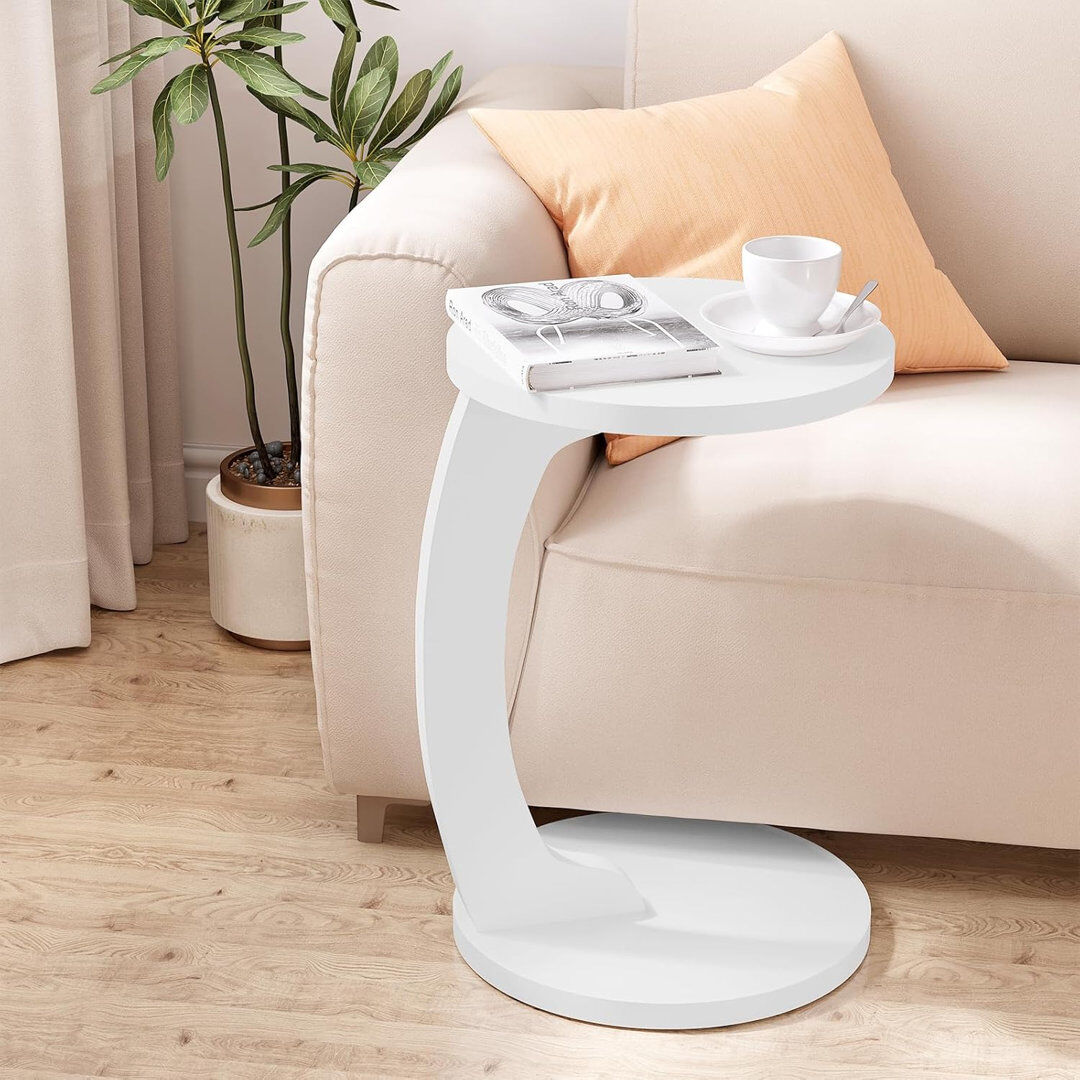
No Metal End TableRound side table looks great everywhere you put it, used as a round end tables living room; a mid century modern nightstand for bedroom; waterproof top to make a nice potted plant stand; also as a mini gold coffee table for small spaces.146,59 $*Shipping: 0,00 $Secure redirect to the provider
-
Westbury Top Rail End CoverThe Westbury Top Rail End Cover is designed to be used for a Crossover Post with its low profile design. This can be placed on the other side of the crossover post to complete the installation of your crossover handrail. Use this durable and low...22,72 $*Shipping: 0,00 $Secure redirect to the provider




-
What is the end of therapy?
The end of therapy can vary depending on the individual's goals and progress. For some, the end of therapy may be when they have achieved their desired outcomes and feel equipped to manage their challenges independently. For others, it may be when they have developed the necessary coping skills and insights to navigate their difficulties more effectively. Ultimately, the end of therapy is typically marked by a mutual agreement between the client and therapist that the goals of therapy have been met and that the client is ready to conclude their sessions. **
-
'How do I end the therapy?'
Ending therapy can be a collaborative process between you and your therapist. It's important to have an open and honest conversation about your progress, goals, and readiness to end therapy. Your therapist can provide guidance and support as you work together to create a plan for ending therapy, which may include discussing any lingering issues or concerns, setting up a follow-up plan, and reflecting on the progress you've made. It's important to remember that ending therapy doesn't mean you can't return in the future if needed. **
-
'How do I end a therapy?'
Ending therapy is an important decision that should be made collaboratively between you and your therapist. It's important to have an open and honest conversation with your therapist about your reasons for ending therapy and to discuss any lingering issues or concerns. It's also important to have a plan for ongoing support or resources after therapy ends. Your therapist can help you process the ending of therapy and provide referrals or recommendations for continued support if needed. **
-
Why does the therapist end the therapy?
The therapist may end the therapy for several reasons, such as the client achieving their therapy goals, the client no longer needing therapy, or the therapist determining that the client is not benefiting from the therapy. Additionally, the therapist may end the therapy if there is a lack of progress, if the client is not actively participating, or if there are ethical or boundary issues that cannot be resolved within the therapeutic relationship. Ultimately, the decision to end therapy is made collaboratively between the therapist and the client to ensure that the client's needs are being met effectively. **

How do you end a therapy session?
To end a therapy session, the therapist typically gives a verbal cue that the session is coming to a close, such as saying, "We have a few minutes left." They may then summarize the key points discussed during the session and ask the client for any final thoughts or reflections. The therapist may also discuss scheduling the next session if applicable and provide any homework or tasks for the client to work on before the next session. Finally, the therapist will ensure the client feels grounded and supported before saying goodbye. **
Is cosmetic surgery haram?
In Islam, cosmetic surgery is generally considered permissible as long as it is done for valid reasons and does not involve altering one's appearance in a way that goes against Islamic teachings. For example, cosmetic surgery to correct a physical deformity or injury is allowed, while procedures done purely for vanity or to imitate others may be considered haram. It is important for individuals considering cosmetic surgery to consult with a knowledgeable religious scholar to ensure that the procedure aligns with Islamic principles. **
Top-Angebote
Products related to End:
-
No Metal End TableRound side table looks great everywhere you put it, used as a round end tables living room; a mid century modern nightstand for bedroom; waterproof top to make a nice potted plant stand; also as a mini gold coffee table for small spaces.146,59 $*Shipping: 0,00 $Secure redirect to the provider
-
How does the therapy end?
Therapy typically ends when the client and therapist mutually agree that the client has achieved their goals or made significant progress. The therapist may also suggest terminating therapy if they believe the client has gained the necessary tools and insights to continue their growth independently. A final session is usually scheduled to reflect on the progress made, discuss any remaining concerns, and create a plan for maintaining the progress achieved in therapy. **
-
When should one end the therapy?
One should consider ending therapy when they have achieved their therapy goals, feel they have gained the necessary tools and insights to manage their mental health on their own, and feel they have made significant progress in their personal growth. It is important to have an open and honest conversation with the therapist about ending therapy and to have a plan in place for ongoing support if needed. Additionally, if the therapist and client feel that they have reached a point of stagnation or that the therapy is no longer effective, it may be time to consider ending the therapy. **
-
What is the end of therapy?
The end of therapy can vary depending on the individual's goals and progress. For some, the end of therapy may be when they have achieved their desired outcomes and feel equipped to manage their challenges independently. For others, it may be when they have developed the necessary coping skills and insights to navigate their difficulties more effectively. Ultimately, the end of therapy is typically marked by a mutual agreement between the client and therapist that the goals of therapy have been met and that the client is ready to conclude their sessions. **
-
'How do I end the therapy?'
Ending therapy can be a collaborative process between you and your therapist. It's important to have an open and honest conversation about your progress, goals, and readiness to end therapy. Your therapist can provide guidance and support as you work together to create a plan for ending therapy, which may include discussing any lingering issues or concerns, setting up a follow-up plan, and reflecting on the progress you've made. It's important to remember that ending therapy doesn't mean you can't return in the future if needed. **
Similar search terms for End
-
Westbury Top Rail End CoverThe Westbury Top Rail End Cover is designed to be used for a Crossover Post with its low profile design. This can be placed on the other side of the crossover post to complete the installation of your crossover handrail. Use this durable and low...22,72 $*Shipping: 0,00 $Secure redirect to the provider
-
WOLTU Abstract End Table WhiteYou can enjoy a moment in your spare time or during work time. You can place afternoon coffee, books to read, photo albums of family members, electronic devices for work, decorative plants, etc. The coffee table always aims to give you a fashionable look and a better user experience. WOLTU Colour: White63,99 £*Shipping: 0,00 £Secure redirect to the provider
-
No End Table with Chargerend table is designed with a charging station with four charging places, 2 AC outlets and 2 USB ports. Every charging place is aligned with proper distance to ensure you can charge four different devices simultaneously.134,99 $*Shipping: 0,00 $Secure redirect to the provider
-
'How do I end a therapy?'
Ending therapy is an important decision that should be made collaboratively between you and your therapist. It's important to have an open and honest conversation with your therapist about your reasons for ending therapy and to discuss any lingering issues or concerns. It's also important to have a plan for ongoing support or resources after therapy ends. Your therapist can help you process the ending of therapy and provide referrals or recommendations for continued support if needed. **
-
Why does the therapist end the therapy?
The therapist may end the therapy for several reasons, such as the client achieving their therapy goals, the client no longer needing therapy, or the therapist determining that the client is not benefiting from the therapy. Additionally, the therapist may end the therapy if there is a lack of progress, if the client is not actively participating, or if there are ethical or boundary issues that cannot be resolved within the therapeutic relationship. Ultimately, the decision to end therapy is made collaboratively between the therapist and the client to ensure that the client's needs are being met effectively. **
-
How do you end a therapy session?
To end a therapy session, the therapist typically gives a verbal cue that the session is coming to a close, such as saying, "We have a few minutes left." They may then summarize the key points discussed during the session and ask the client for any final thoughts or reflections. The therapist may also discuss scheduling the next session if applicable and provide any homework or tasks for the client to work on before the next session. Finally, the therapist will ensure the client feels grounded and supported before saying goodbye. **
-
Is cosmetic surgery haram?
In Islam, cosmetic surgery is generally considered permissible as long as it is done for valid reasons and does not involve altering one's appearance in a way that goes against Islamic teachings. For example, cosmetic surgery to correct a physical deformity or injury is allowed, while procedures done purely for vanity or to imitate others may be considered haram. It is important for individuals considering cosmetic surgery to consult with a knowledgeable religious scholar to ensure that the procedure aligns with Islamic principles. **
* All prices are inclusive of VAT and, if applicable, plus shipping costs. The offer information is based on the details provided by the respective shop and is updated through automated processes. Real-time updates do not occur, so deviations can occur in individual cases. ** Note: Parts of this content were created by AI.