Buy lasern.eu ?
We are moving the project
lasern.eu .
Are you interested in purchasing the domain
lasern.eu ?
domain@kv-gmbh.de · 0541-91531010
Buy lasern.eu ?
How are questionnaires used for diagnosis in therapy?
Questionnaires are often used in therapy as a way to gather information about a client's symptoms, behaviors, and emotions. These questionnaires can help therapists assess the client's mental health, identify potential diagnoses, and track progress over time. By having clients fill out questionnaires, therapists can gain a more comprehensive understanding of their clients' experiences and tailor their treatment approach accordingly. Additionally, questionnaires can provide a standardized way to measure and monitor symptoms, making it easier to track changes and evaluate the effectiveness of interventions. **
How can I get a diagnosis during my therapy?
To get a diagnosis during therapy, it is important to be open and honest with your therapist about your symptoms, thoughts, and feelings. Your therapist will likely ask you questions about your mental health history, current struggles, and any patterns they observe in your behavior. They may also use standardized assessments or tools to help determine a diagnosis. It is important to actively participate in the therapy process and provide feedback to your therapist to ensure an accurate diagnosis and effective treatment plan. **


Similar search terms for Diagnosis
Top-Angebote
Products related to Diagnosis:
-
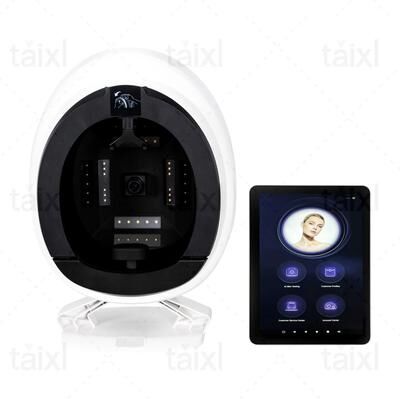
Uplifted Finds AISIA Q1 3D AI Facial Skin Analyzer & Professional 8 Spectrum Diagnosis System 110vTake control of your personal grooming routines and establish a flawless beauty foundation across your style coordinates with this clinicalgrade AISIA Q1 3D AI Facial Skin Analyzer. Masterfully engineered with an advanced 36million pixel...4989,97 $*Shipping: 0,00 $Secure redirect to the provider
-
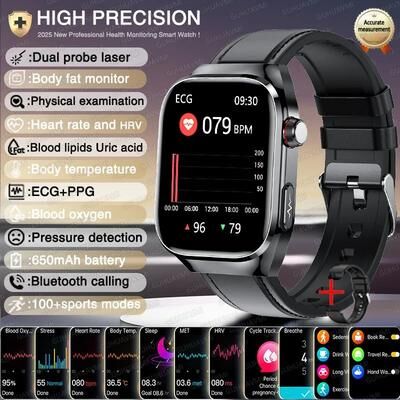
Uplift Treasures AI ECG PPG Health Smartwatch With Laser Monitoring blue scientific DiagnosisProduct Description: Stay informed about your health anytime with this advanced AIpowered smartwatch. Featuring ECG + PPG sensors and innovative laser monitoring technology, it tracks key health indicators like heart rate, blood pressure, uric acid,...188,97 $*Shipping: 0,00 $Secure redirect to the provider
-
Uplift Treasures AI ECG PPG Health Smartwatch With Laser Monitoring silver scientific DiagnosisProduct Description: Stay informed about your health anytime with this advanced AIpowered smartwatch. Featuring ECG + PPG sensors and innovative laser monitoring technology, it tracks key health indicators like heart rate, blood pressure, uric acid,...188,97 $*Shipping: 0,00 $Secure redirect to the provider
-
Uplift Treasures AI ECG PPG Health Smartwatch With Laser Monitoring black Leather scientific DiagnosisProduct Description: Stay informed about your health anytime with this advanced AIpowered smartwatch. Featuring ECG + PPG sensors and innovative laser monitoring technology, it tracks key health indicators like heart rate, blood pressure, uric acid,...203,97 $*Shipping: 0,00 $Secure redirect to the provider


-
Who has experience with iris diagnosis or tongue diagnosis?
I have experience with both iris diagnosis and tongue diagnosis. As a practitioner of traditional Chinese medicine, I have been trained to analyze the iris and tongue to assess a person's overall health and identify potential imbalances in the body. Through careful observation and analysis, I can provide insights into a person's constitution, organ health, and potential areas of concern. This information can then be used to inform treatment plans and promote overall wellness. **
-
What questions are there regarding the diagnosis and therapy of depression?
There are several questions regarding the diagnosis and therapy of depression. Some of these include: 1. How can healthcare professionals accurately diagnose depression, considering its complex and varied symptoms? 2. What are the most effective therapy options for different types and severities of depression, and how can they be tailored to individual patients? 3. Are there any potential long-term side effects or risks associated with certain depression therapies, and how can they be mitigated? 4. How can the stigma surrounding depression be addressed to ensure that individuals feel comfortable seeking diagnosis and therapy? **
-
Who makes the diagnosis?
The diagnosis is typically made by a healthcare professional, such as a doctor or a specialist, who has the necessary training and expertise to evaluate the symptoms, perform tests, and interpret the results. They will consider the patient's medical history, conduct a physical examination, and may order additional tests or imaging studies to confirm the diagnosis. In some cases, a team of healthcare professionals may be involved in making the diagnosis, especially for complex or rare conditions. **
-
What is a diagnosis key?
A diagnosis key is a unique code or identifier that is used in medical coding to represent a specific diagnosis or medical condition. It is an essential component in medical billing and insurance claims processing, as it helps healthcare providers accurately communicate the patient's diagnosis to insurance companies for reimbursement. The diagnosis key is typically derived from the International Classification of Diseases (ICD) coding system, which is a standardized system used worldwide for classifying diseases and other health problems. **


What does F diagnosis mean?
F diagnosis refers to a coding system used in healthcare to classify mental health disorders. The "F" stands for "mental and behavioral disorders" and is followed by a specific number that corresponds to a particular diagnosis. This system helps healthcare professionals accurately identify and communicate about different mental health conditions, allowing for appropriate treatment and care planning. **
Is my therapist's diagnosis wrong?
It is important to remember that therapists are trained professionals who use their expertise to make accurate diagnoses based on the information provided to them. However, if you have concerns about your therapist's diagnosis, it is important to communicate openly with them. You can ask for clarification on how they arrived at their diagnosis, discuss any doubts or alternative perspectives you may have, and work together to ensure you are receiving the most appropriate treatment. Trust and open communication are key in the therapeutic relationship. **
Top-Angebote
Products related to Diagnosis:
-
Uplift Treasures AI ECG PPG Health Smartwatch With Laser Monitoring black scientific DiagnosisProduct Description: Stay informed about your health anytime with this advanced AIpowered smartwatch. Featuring ECG + PPG sensors and innovative laser monitoring technology, it tracks key health indicators like heart rate, blood pressure, uric acid,...188,97 $*Shipping: 0,00 $Secure redirect to the provider
-
Uplift Picks BioTrack AI ECG Smart Watch Health Monitor Bluetooth Call black scientific DiagnosisTake a smarter approach to your wellness with this advanced ECG smart watch designed to keep you informed throughout the day. It tracks key health indicators like heart rate, activity, and sleep to support your daily routine. With Bluetooth calling,...246,00 $*Shipping: 0,00 $Secure redirect to the provider
-
Uplifted Finds AISIA Q1 3D AI Facial Skin Analyzer & Professional 8 Spectrum Diagnosis System 110vTake control of your personal grooming routines and establish a flawless beauty foundation across your style coordinates with this clinicalgrade AISIA Q1 3D AI Facial Skin Analyzer. Masterfully engineered with an advanced 36million pixel...4989,97 $*Shipping: 0,00 $Secure redirect to the provider
-
Uplift Treasures AI ECG PPG Health Smartwatch With Laser Monitoring blue scientific DiagnosisProduct Description: Stay informed about your health anytime with this advanced AIpowered smartwatch. Featuring ECG + PPG sensors and innovative laser monitoring technology, it tracks key health indicators like heart rate, blood pressure, uric acid,...188,97 $*Shipping: 0,00 $Secure redirect to the provider
-
How are questionnaires used for diagnosis in therapy?
Questionnaires are often used in therapy as a way to gather information about a client's symptoms, behaviors, and emotions. These questionnaires can help therapists assess the client's mental health, identify potential diagnoses, and track progress over time. By having clients fill out questionnaires, therapists can gain a more comprehensive understanding of their clients' experiences and tailor their treatment approach accordingly. Additionally, questionnaires can provide a standardized way to measure and monitor symptoms, making it easier to track changes and evaluate the effectiveness of interventions. **
-
How can I get a diagnosis during my therapy?
To get a diagnosis during therapy, it is important to be open and honest with your therapist about your symptoms, thoughts, and feelings. Your therapist will likely ask you questions about your mental health history, current struggles, and any patterns they observe in your behavior. They may also use standardized assessments or tools to help determine a diagnosis. It is important to actively participate in the therapy process and provide feedback to your therapist to ensure an accurate diagnosis and effective treatment plan. **
-
Who has experience with iris diagnosis or tongue diagnosis?
I have experience with both iris diagnosis and tongue diagnosis. As a practitioner of traditional Chinese medicine, I have been trained to analyze the iris and tongue to assess a person's overall health and identify potential imbalances in the body. Through careful observation and analysis, I can provide insights into a person's constitution, organ health, and potential areas of concern. This information can then be used to inform treatment plans and promote overall wellness. **
-
What questions are there regarding the diagnosis and therapy of depression?
There are several questions regarding the diagnosis and therapy of depression. Some of these include: 1. How can healthcare professionals accurately diagnose depression, considering its complex and varied symptoms? 2. What are the most effective therapy options for different types and severities of depression, and how can they be tailored to individual patients? 3. Are there any potential long-term side effects or risks associated with certain depression therapies, and how can they be mitigated? 4. How can the stigma surrounding depression be addressed to ensure that individuals feel comfortable seeking diagnosis and therapy? **
Similar search terms for Diagnosis
-
Uplift Treasures AI ECG PPG Health Smartwatch With Laser Monitoring silver scientific DiagnosisProduct Description: Stay informed about your health anytime with this advanced AIpowered smartwatch. Featuring ECG + PPG sensors and innovative laser monitoring technology, it tracks key health indicators like heart rate, blood pressure, uric acid,...188,97 $*Shipping: 0,00 $Secure redirect to the provider
-
Uplift Treasures AI ECG PPG Health Smartwatch With Laser Monitoring black Leather scientific DiagnosisProduct Description: Stay informed about your health anytime with this advanced AIpowered smartwatch. Featuring ECG + PPG sensors and innovative laser monitoring technology, it tracks key health indicators like heart rate, blood pressure, uric acid,...203,97 $*Shipping: 0,00 $Secure redirect to the provider
-
Uplift Picks BioTrack AI ECG Smart Watch Health Monitor Bluetooth Call silver scientific DiagnosisTake a smarter approach to your wellness with this advanced ECG smart watch designed to keep you informed throughout the day. It tracks key health indicators like heart rate, activity, and sleep to support your daily routine. With Bluetooth calling,...246,00 $*Shipping: 0,00 $Secure redirect to the provider
-
Uplift Treasures AI ECG PPG Health Smartwatch With Laser Monitoring brown Leather scientific DiagnosisProduct Description: Stay informed about your health anytime with this advanced AIpowered smartwatch. Featuring ECG + PPG sensors and innovative laser monitoring technology, it tracks key health indicators like heart rate, blood pressure, uric acid,...203,97 $*Shipping: 0,00 $Secure redirect to the provider
-
Who makes the diagnosis?
The diagnosis is typically made by a healthcare professional, such as a doctor or a specialist, who has the necessary training and expertise to evaluate the symptoms, perform tests, and interpret the results. They will consider the patient's medical history, conduct a physical examination, and may order additional tests or imaging studies to confirm the diagnosis. In some cases, a team of healthcare professionals may be involved in making the diagnosis, especially for complex or rare conditions. **
-
What is a diagnosis key?
A diagnosis key is a unique code or identifier that is used in medical coding to represent a specific diagnosis or medical condition. It is an essential component in medical billing and insurance claims processing, as it helps healthcare providers accurately communicate the patient's diagnosis to insurance companies for reimbursement. The diagnosis key is typically derived from the International Classification of Diseases (ICD) coding system, which is a standardized system used worldwide for classifying diseases and other health problems. **
-
What does F diagnosis mean?
F diagnosis refers to a coding system used in healthcare to classify mental health disorders. The "F" stands for "mental and behavioral disorders" and is followed by a specific number that corresponds to a particular diagnosis. This system helps healthcare professionals accurately identify and communicate about different mental health conditions, allowing for appropriate treatment and care planning. **
-
Is my therapist's diagnosis wrong?
It is important to remember that therapists are trained professionals who use their expertise to make accurate diagnoses based on the information provided to them. However, if you have concerns about your therapist's diagnosis, it is important to communicate openly with them. You can ask for clarification on how they arrived at their diagnosis, discuss any doubts or alternative perspectives you may have, and work together to ensure you are receiving the most appropriate treatment. Trust and open communication are key in the therapeutic relationship. **
* All prices are inclusive of VAT and, if applicable, plus shipping costs. The offer information is based on the details provided by the respective shop and is updated through automated processes. Real-time updates do not occur, so deviations can occur in individual cases. ** Note: Parts of this content were created by AI.